

Tooth Decay Treatment – Glasgow
Tooth decay is a common dental problem that can affect children and adults. Without treatment, dental decay can progress, causing cavities, sensitivity, pain and infection in the affected tooth.
Erskine Dental Care provides tooth decay treatment near Glasgow, serving patients from Erskine and surrounding areas.
Disclaimer: The information on this page is for general guidance and does not replace an examination or personalised advice from a dental professional. Treatment options will depend on your individual circumstances and the condition of your teeth and gums.
What is tooth decay?
Tooth decay occurs when bacteria in the mouth produce acids that gradually damage the teeth. Eating or drinking sugary foods and drinks regularly increases this risk, especially if you don’t remove plaque effectively through good oral hygiene.
Developing cavities may not cause noticeable symptoms at first. As tooth decay progresses, you may experience sensitivity, toothache, pain when biting or visible changes to the tooth.
Regular checkups and good oral health habits can help prevent tooth decay or identify it early before it becomes more extensive.
What causes dental decay?
Several factors can contribute to tooth decay, including:
- Frequent consumption of sugary foods and drinks
- Plaque and bacteria building up on the teeth
- Inadequate brushing or cleaning between the teeth
- Dry mouth or reduced saliva
- Existing dental problems that make cleaning difficult
To help prevent dental decay, brush your teeth twice a day with fluoride toothpaste, clean between your teeth and attend regular check-ups. Your dentist or hygienist can also provide personalised advice to help maintain good oral health.
Tooth decay treatment
The recommended treatment depends on the extent of the decay and how the affected tooth has been damaged.
Early tooth decay
Depending on the extent of the changes, your dentist may recommend preventive measures such as fluoride treatment and dietary advice to help prevent the decay from progressing.
Dental fillings
If decay has extended into dentine, your dentist may recommend a filling to restore the affected tooth. Erskine Dental Care provides composite fillings, made from a resin-based material and matched to the colour of your natural teeth.
More extensive damage
If further decay has caused more extensive damage to a tooth, your dentist may consider an inlay, onlay or crown to restore its strength and function.
Damage to the pulp
When decay gets close to the pulp of the tooth, you may need root canal treatment to remove infected tissue and, where possible, help retain the natural tooth.
Your dentist will explain the available options and develop a treatment plan based on your tooth’s condition, your oral health and your individual circumstances.
How can preventative dentistry help prevent tooth decay?
Prevention is an important part of good dental care. Alongside brushing and cleaning between your teeth, regular check-ups allow your dentist to examine your mouth for early signs of decay and other conditions, including gum disease.
Our team can recommend an appropriate recall schedule and discuss ways to improve your oral health. Children can also benefit from early preventative dental care to help establish healthy habits and reduce the risk of cavities.
What happens if tooth decay is left untreated?
Untreated tooth decay can continue to damage the tooth. More extensive decay can cause significant pain, infection or an abscess, make the tooth harder to restore and can result in tooth loss.
Where a tooth can be safely and predictably restored, your dentist may consider treatment to retain the natural tooth before discussing replacement options. Depending on the extent of the damage, treatment may include a filling, inlay or crown and may require root canal treatment.
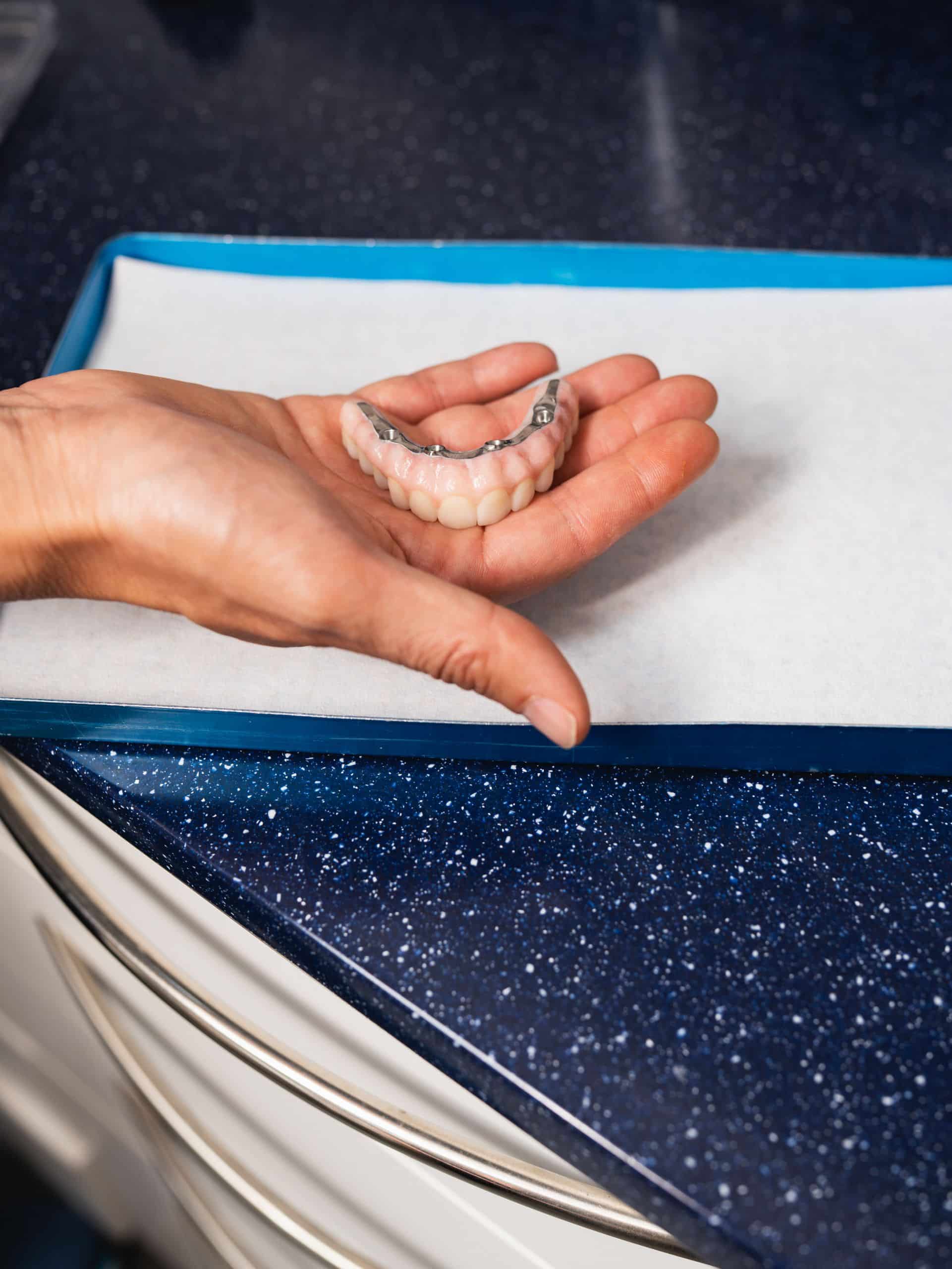
If a tooth cannot be restored, extraction may be necessary. Dental implants are one option for replacing a missing tooth.

Tooth decay dentist in & around Glasgow
If you are concerned about tooth decay, tooth sensitivity or a damaged tooth, book an appointment at Erskine Dental Care. During your initial consultation, we can examine your teeth and discuss any recommended treatment.
We aim to provide clear information about your treatment options in a comfortable, welcoming environment so you can make informed decisions about your dental care.
Emergency appointments
If you have a dental emergency, please telephone our friendly staff on 0141 812 8420. Patients who call before 10.30 am will usually be offered a same-day appointment. We aim to offer dental emergency appointments within 24 hours.
Note: Emergency appointments are subject to clinical assessment and availability. If you have a serious dental emergency outside the practice’s opening hours, contact NHS 24 on 111.
Very early tooth decay may sometimes be managed with preventive measures, depending on the extent of the changes. When decay extends into dentine (the second layer of the tooth beneath the enamel), a dental filling is commonly used to restore the affected tooth.
No. Tooth decay can develop without noticeable symptoms, particularly in its early stages. This is one reason regular checkups are important.
When possible, your dentist may consider whether treatment can save the natural tooth before discussing extraction and replacement. Depending on the extent of the damage, treatment could include a filling, crown or root canal treatment.
If your dentist cannot restore a tooth, they may recommend extraction. A dental implant is one possible option for replacing the missing tooth. Your dentist can explain the benefits, limitations and alternatives as part of your individual treatment plan.
Read more about saving a tooth versus getting an implant.
Teeth whitening does not cause tooth decay when used appropriately. However, whitening can cause temporary tooth sensitivity or gum irritation in some people.
Whitening does not treat existing tooth decay. If you have cavities, sensitivity or other dental problems, your dentist may recommend addressing these before whitening treatment.
Tooth decay and gum disease are different conditions, although both involve bacteria and plaque. Good oral hygiene and regular dental care can help reduce the risk of both.
Composite and amalgam are different materials used to restore teeth affected by decay.
- Composite fillings are tooth-coloured restorations made from a resin-based material. They can match the appearance of your natural teeth, making them a popular option when aesthetics matter.
- Amalgam fillings are made from a mixture of metals including mercury, and have a silver-coloured appearance. Dentists have used them for many years, although Scotland has measures in place to reduce amalgam use.
If you have active tooth decay, your dentist may recommend treating it before starting Invisalign or other orthodontic treatment. This helps ensure your teeth and gums are healthy enough for treatment and can make it easier to maintain good oral hygiene during orthodontic care.
If you are considering Invisalign, our registered dental team can assess your oral health and discuss the appropriate treatment plan.
You should have any active tooth decay assessed and treated before undergoing elective cosmetic dentistry. Depending on your needs, cosmetic dental treatment may include options such as tooth whitening or other treatments designed to improve your smile’s appearance.
If you are a private patient considering cosmetic dentistry, your dentist can assess your teeth and gums and explain which options may be suitable after any necessary dental treatment has been completed.
Contact us if you notice a toothache, sensitivity, visible cavities, tooth damage or swelling around the gums. If you have severe pain or other urgent symptoms, contact our registered practice about an emergency appointment.
What our patients say
Nothing tells the story better than the people who have lived it. As one of our patients, Mr Bateman, put it: “I wish I’d done it years ago.”
Read more real stories and hear Angela’s story in her own words, or watch genuine transformations on our social channels.
John Smith
Glasgow

The change in confidence since my Invisalign treatment has changed my life forever!
Edith Kowalski
Erskine
The team at Erskine Dental Care were absolutley amazing from start to finish, couldnt be happier with my smile!
Patrick Ewing
Erskine
I can now smile with confidence since receiving treatment from Erskine Dental Care.
Seeing real results can make the decision feel easier.
Follow us on social media to see real All-on-5 smile journeys for yourself.
About the medical reviewer
This content was reviewed by Dr Philip Byrne, BDS, DipImpDent, Principal Dentist and Full Arch Implant Dentist at Erskine Dental Care, Erskine, Scotland.
Dr Philip is a GDC-Registered Dentist (No. 80751) who has placed thousands of dental implants since 2007 and limits his practice exclusively to implant dentistry. He holds a Bachelor of Dental Surgery from the University of Glasgow (2002) and a Postgraduate Diploma in Implant Dentistry from Newcastle University (2018). Dr Byrne is an Associate Fellow of the Association of Dental Implantology (ADI), reflecting his specialist focus in implant and full-arch implant dentistry.
Last reviewed: September 2026

Why Choose Erskine Dental Care?
We’ve been trusted by patients across Glasgow, Paisley and Renfrewshire for years. Our experienced implant team uses the latest techniques and technology to ensure safe, successful results, with a warm, professional approach that puts your comfort first.