

Single Tooth Dental Implants – Glasgow
Important: The information on this page is for general guidance only and is not a substitute for professional dental advice. Suitability for dental implants, including the Neodent implant systems used at Erskine Dental Care, varies from person to person. Only a full consultation and examination with our implant team can confirm the right treatment plan for you. If you have concerns about your dental or general health, please get in touch with our team or speak to your GP.
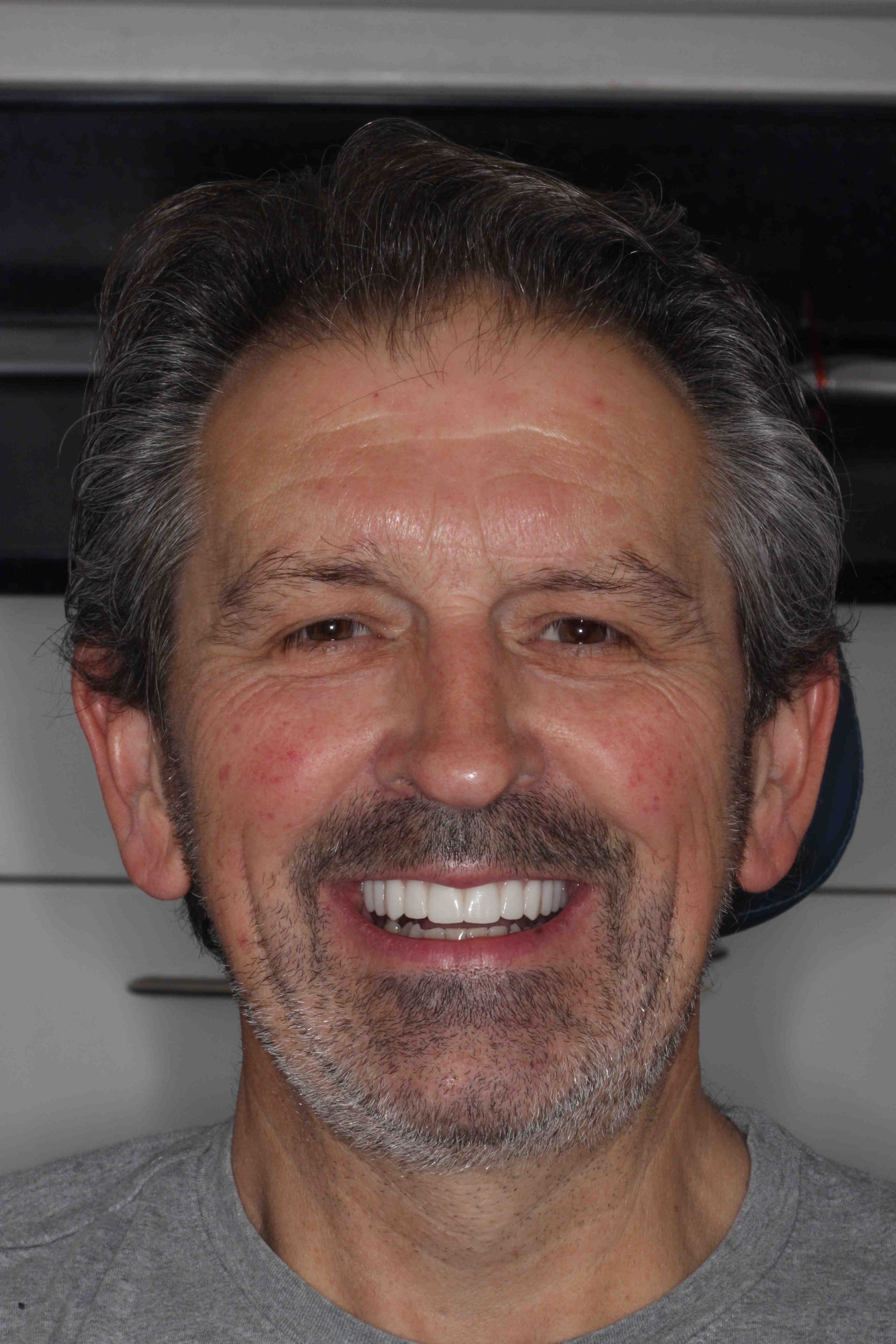
Losing a tooth can feel like a small thing until you find yourself hiding your smile in photographs. A single-tooth dental implant in Glasgow is one option for replacing both the visible tooth and its missing root, helping to prevent bone loss that can occur after tooth extraction.
Research indicates that implants supporting single crowns can have high long-term survival rates. One systematic review in Clinical Oral Implants Research estimates implant survival rates of 97% after five years and 95% after ten years.
Single tooth implants in Glasgow replace the root as well as the visible tooth, so the result sits and works like a natural tooth. At Erskine Dental Care, we use Neodent implant systems, part of the Straumann Group, to rebuild that root and provide a strong foundation.
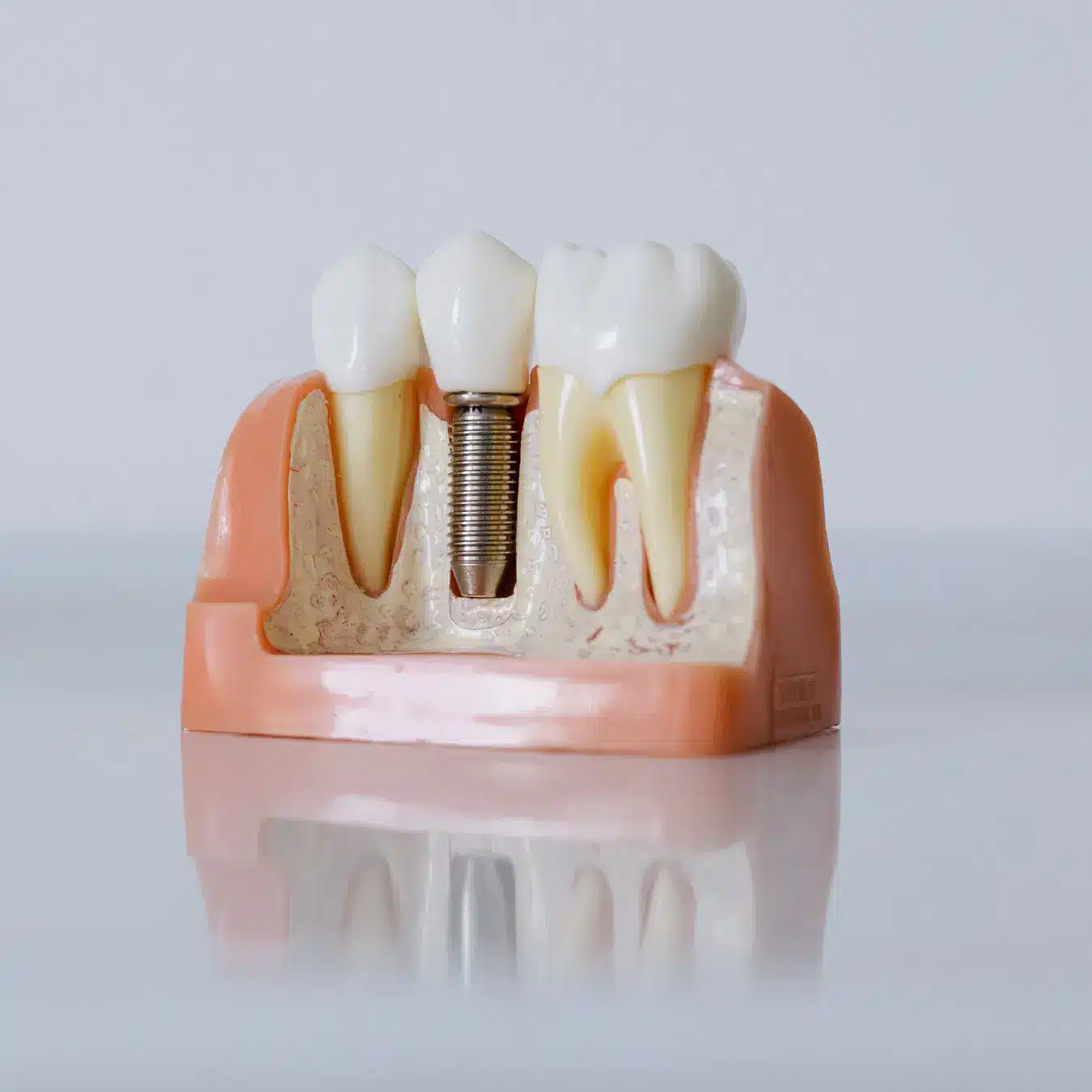
One implant instead of reshaping two healthy teeth
A traditional bridge borrows support from the teeth on either side of a gap, which generally requires those teeth to be prepared to support the crown. A single dental implant in Glasgow sits independently in the jawbone, so the teeth beside it keep their enamel and stay whole.
Book a free consultation with Scotland’s largest full mouth implant clinic and find out about the treatment option that best suits your specific needs.
What a single dental implant treatment involves
A single dental implant in Glasgow replaces a missing tooth root with a small titanium post placed into your jawbone. Once healed, that post carries a crown made to match the shade and shape of the tooth beside it, so it’s designed to blend as closely as possible with your surrounding teeth. Unlike a bridge, the dental implant stands on its own. Your neighbouring teeth keep their enamel and stay untouched.

Assessment and planning
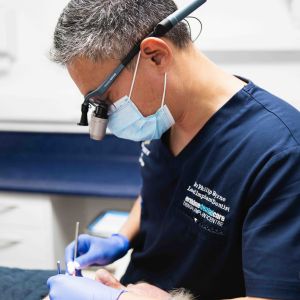
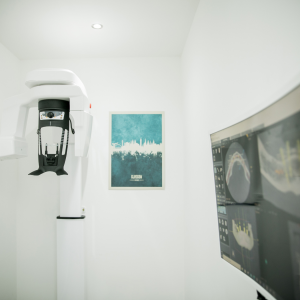
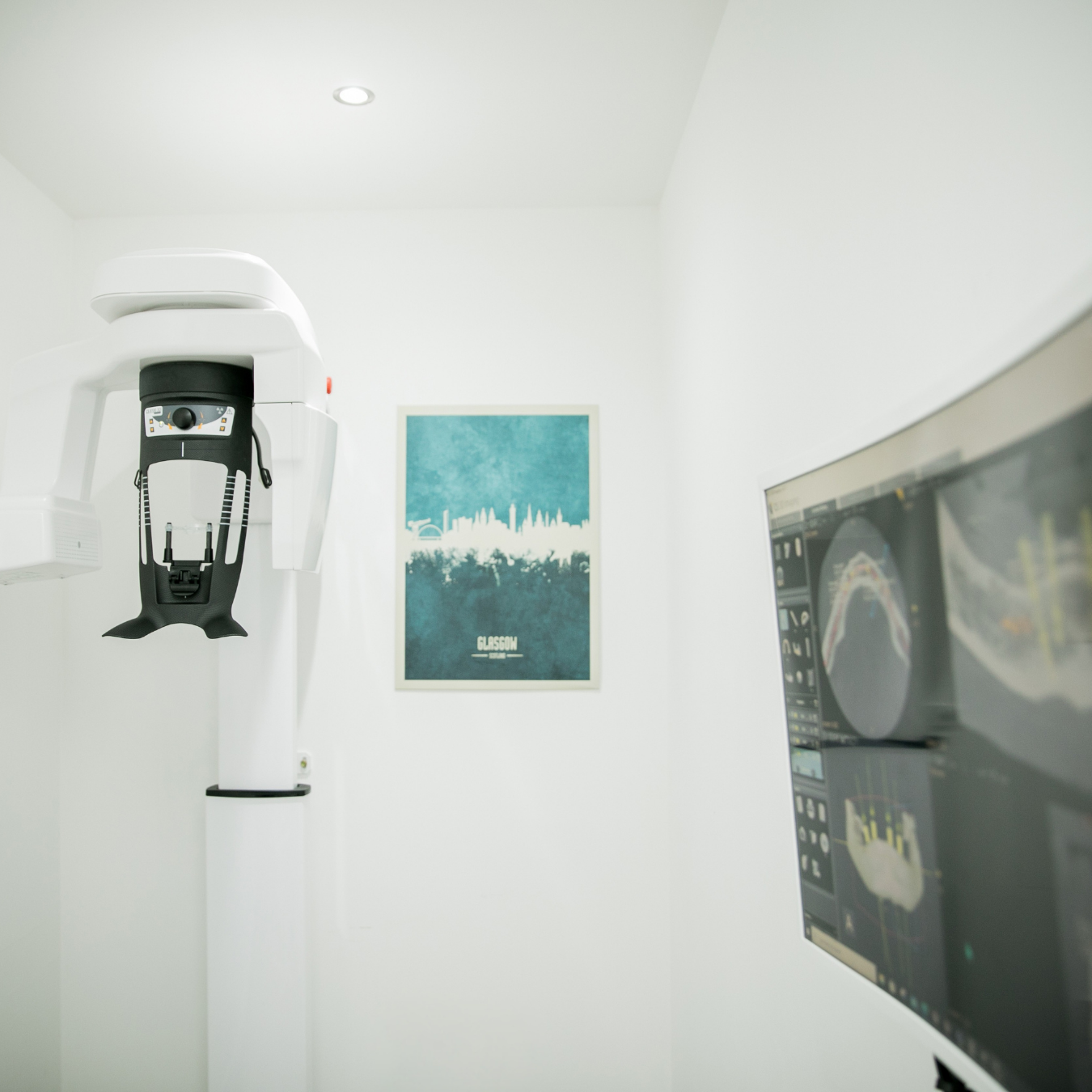
Every case starts with a thorough examination. We take digital X-rays and a 3D CBCT scan to check:
- Bone density
- Gum health
- The exact position for placement
This information helps create a personalised treatment plan based on your oral health, clinical findings and your individual goals. The size of your jawbone matters here, and the scan tells us whether you have enough bone or whether bone grafting may be needed first. Your dentist will discuss the most suitable treatment option with you.
Placement and healing
Single tooth implant treatment begins under local anaesthetic, with dental sedation available if you feel anxious. Initial healing varies between patients. Underneath, the implant fuses with your jawbone in a process called osseointegration, which usually takes three to six months.
A temporary tooth can fill the gap in the meantime, so you are not left with a space while you wait. Your final crown is fitted once that base is solid, and the complete process can take several months, depending on your individual treatment plan. Maintaining proper care during this step ensures optimal healing.
Matching your new tooth to the ones beside it
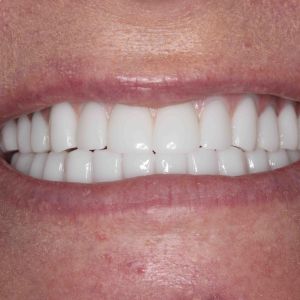
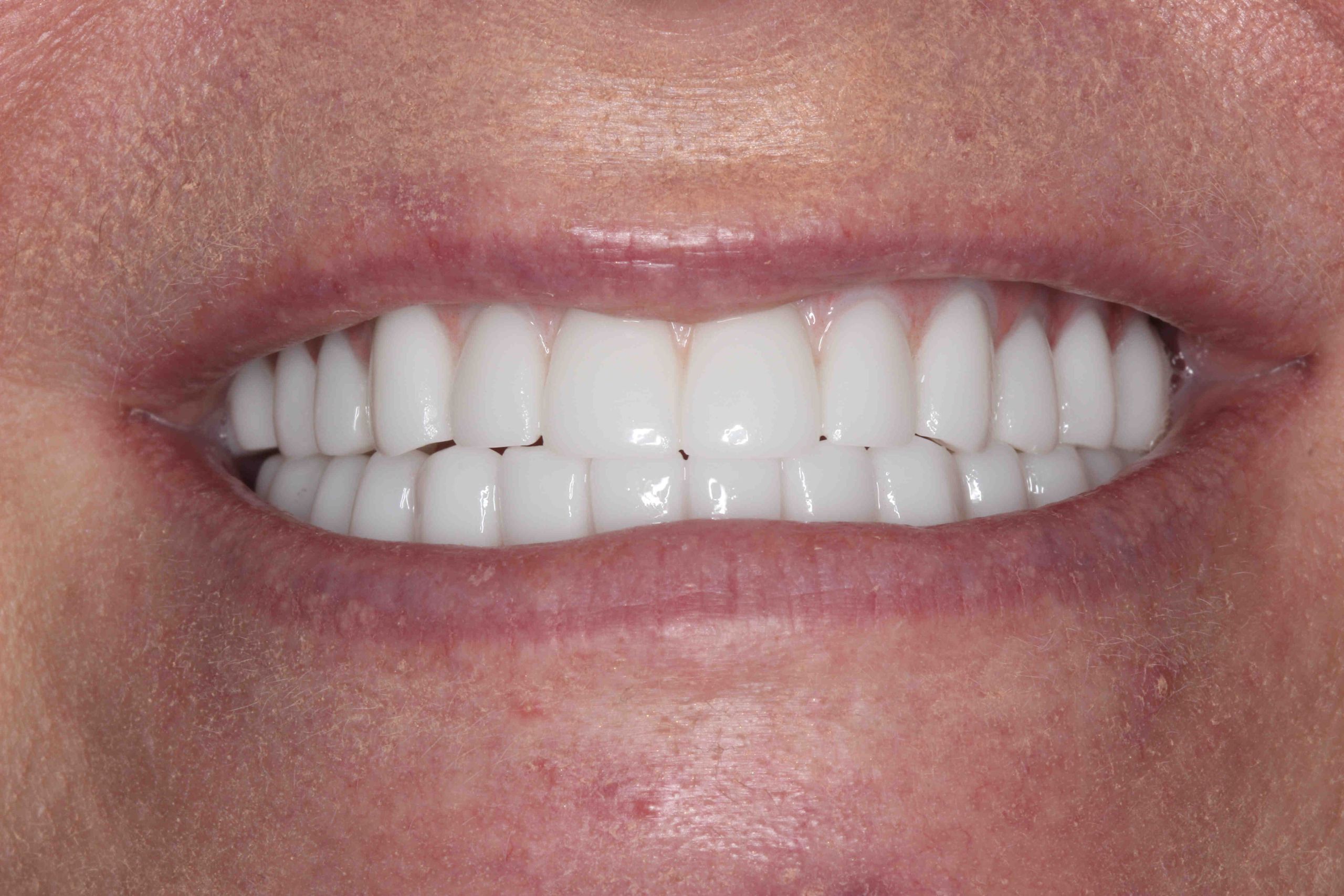
Replacing a single tooth asks something a full arch does not. The crown has to sit convincingly next to the natural teeth you still have, matching their shade, shape and the way light catches them.
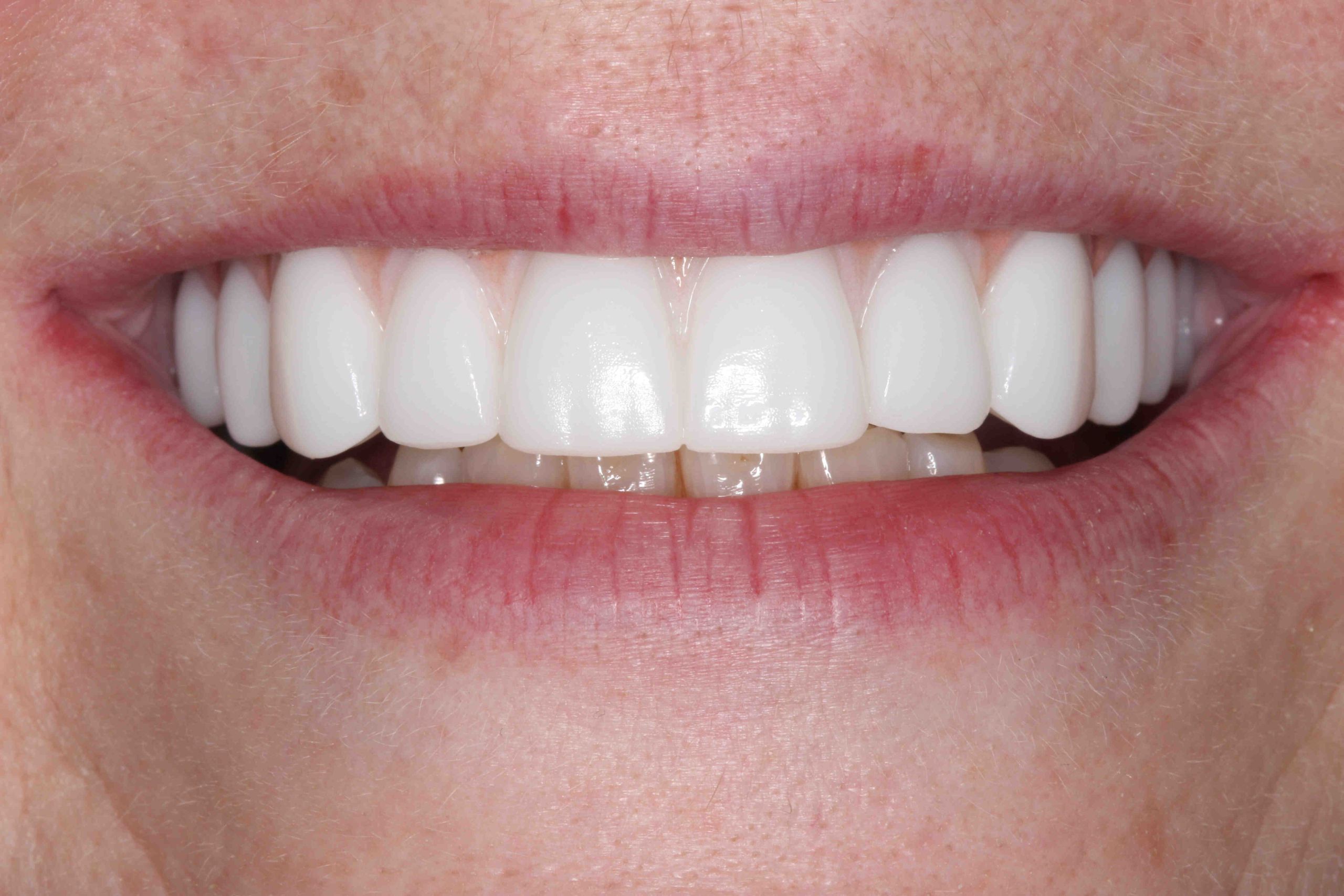
Our on-site laboratory means your technician can see your teeth directly rather than working from a photograph. Small adjustments can be made in-house to optimise the fit and appearance before the restoration is completed. We offer customised solutions that transform your smile.
Protecting your jawbone and oral health
Restoring the root does more than fill a space. Because a dental implant replaces the tooth root, it transfers chewing forces into the jawbone. This may help reduce the bone changes that can occur after tooth loss, although ongoing bone and gum health varies between patients.
You can read how tooth loss reshapes the jaw on our page about replacing missing teeth. Function returns alongside it, and many patients report improved comfort and chewing function once treatment is complete, although recovery varies. Routine check-ups help you maintain that result.
Ready to restore your teeth?
Book your complimentary implant consultation today. See your new smile in a digital preview, ask us anything, and leave with a clear plan, no pressure, just possibilities.



Cost depends on your bone, whether grafting is needed and the type of crown fitted. We provide a personalised treatment plan and quotation following your assessment rather than quoting a figure that may not hold.
Finance options are available if you would rather spread the cost, and you can compare treatments on our dental implant price guide.
Molars carry most of your chewing load, so replacing one is usually a practical decision rather than a cosmetic one. A missing back tooth can affect how you bite and chew over time, though the impact varies from person to person. If more than one tooth is involved, our page on replacing one to four missing teeth covers those options.
Usually, yes. Teeth grinding does not necessarily prevent implant treatment, but it can place additional forces on both the implant and crown. If appropriate, we may recommend a custom night guard to help protect your restoration. Our dental implant FAQs answer more of the questions that come up before treatment.
Follow us on social media to see the single dental implant dentists Glasgow families recommend,
or call us on 0141 812 8420 to start replacing teeth and restoring your confidence.
About the medical reviewer
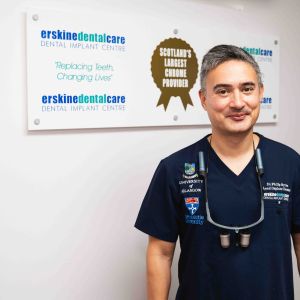
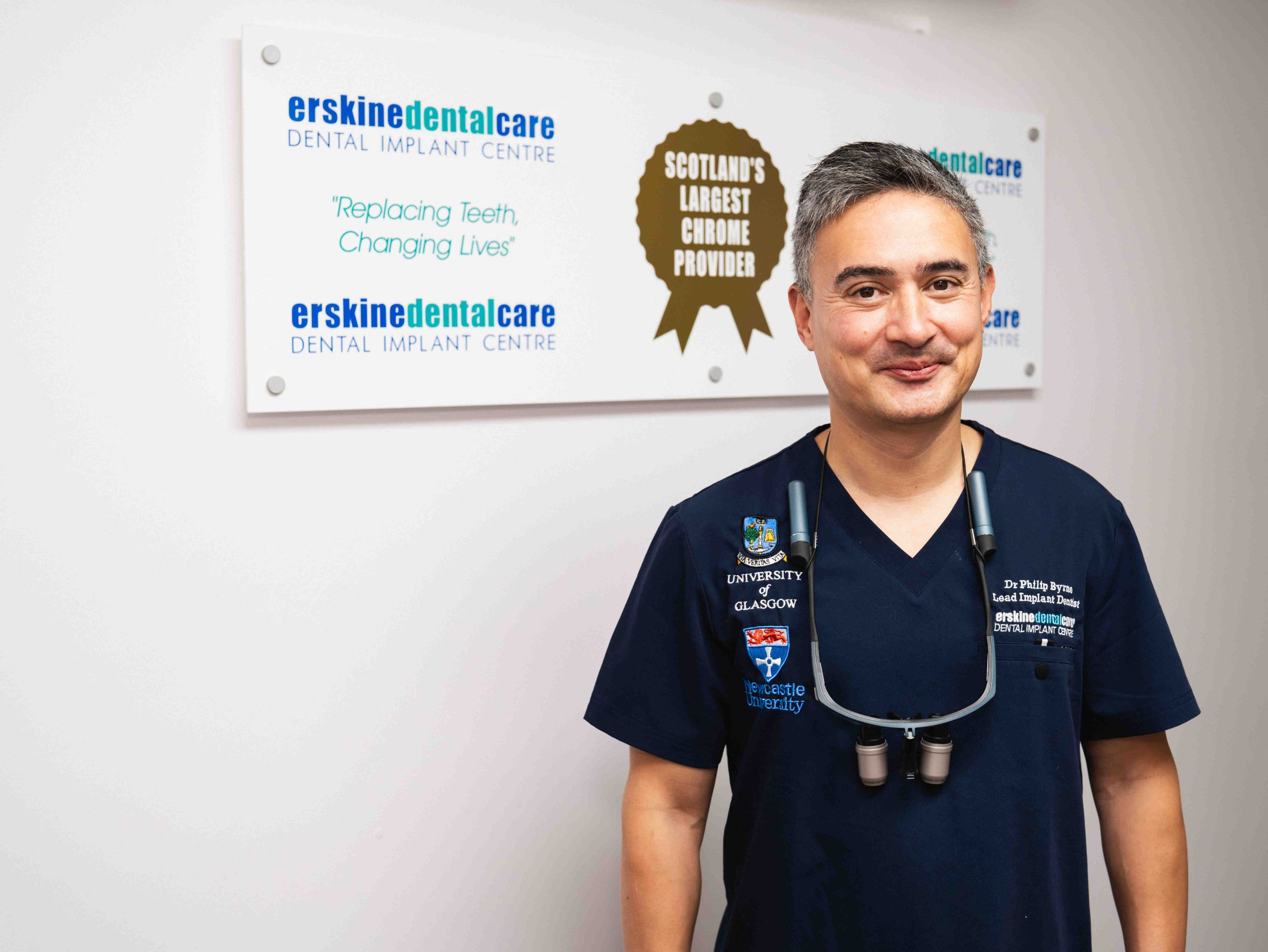
This content was reviewed by Dr Philip Byrne, BDS, DipImpDent, Principal Dentist and Full Arch Implant Dentist at Erskine Dental Care, Erskine, Scotland.
Dr Philip is a GDC-Registered Dentist (No. 80751) who has been placing dental implants since 2007 and limits his practice exclusively to implant dentistry. He holds a Bachelor of Dental Surgery from the University of Glasgow (2002) and a Postgraduate Diploma in Implant Dentistry from Newcastle University (2018). Dr Byrne is an Associate Fellow of the Association of Dental Implantology (ADI), reflecting his specialist focus in implant and full-arch implant dentistry.
Last reviewed: August 2026
What our Dental Implant patients say about us.
Don’t just take our word for it – hear from our patients who have received Dental Implants at Erskine Dental Care.
John Smith
Glasgow

The change in confidence since my Invisalign treatment has changed my life forever!
Edith Kowalski
Erskine
The team at Erskine Dental Care were absolutley amazing from start to finish, couldnt be happier with my smile!
Patrick Ewing
Erskine
I can now smile with confidence since receiving treatment from Erskine Dental Care.
