

Loose Dentures – Glasgow
Important: The information on this page is for general guidance only and is not a substitute for professional dental advice. If you have concerns about your teeth or general health, please get in touch with our team or speak to your GP.
If you find yourself using denture adhesive more frequently than before, this is not necessarily due to anything you have done incorrectly. A denture that was once fitted securely can begin to move during eating or speaking. The change is gradual, so many people tolerate an uncomfortable or unstable denture for years affecting speech, eating and self confidence.
Causes of loose dentures
Your natural teeth roots stimulate the jawbone, and once teeth are lost, the bone in the areas that supported them gradually reduces. The gums underlying the denture change shape alongside it, while your denture remains as it was originally made. A 25-year study of denture wearers published in the Journal of Prosthetic Dentistry documented continuing reduction of the residual alveolar ridges over the study period. The amount and rate of change vary between individuals and between the upper and lower jaws.
If your dentures have started to move, our treatment co-ordinator will explain the available options before treatment is recommended. We open from 8 am to 8 pm Monday to Thursday, so a consultation about loose denture treatment can be arranged around work or family commitments.
Signs of loose-fitting dentures
Loose denture symptoms can develop gradually, so it is helpful to know what to look for. Full and partial dentures alike can become less stable as the mouth beneath changes.
- Your denture lifts or slips when you laugh, cough or chew
- Sore spots, ulcers or tender gums develop underneath the plate
- You need more adhesive steadily before you feel secure
- Your speech sounds different when you speak
- You avoid certain harder foods because of concerns about denture stability
- The support around your lips and cheeks can change as the underlying ridge and facial muscles change
Increasing adhesive use is the sign most people overlook, and it can indicate that the fit of your denture has changed rather than the adhesive failing.
Who tends to need help with dentures in Glasgow?
Many people we meet have worn the same set for years and have gradually adapted to changes in fit. Some find holidays, meals out and social occasions have become more difficult because of denture movement.
Others may be concerned about their denture becoming unstable while speaking at work or in social situations. Many people assume that discomfort or changes in denture fit are a normal part of ageing, but an assessment can establish whether the denture fit or another oral health issue is contributing.
How a dentist can restore
the fit of loose dentures
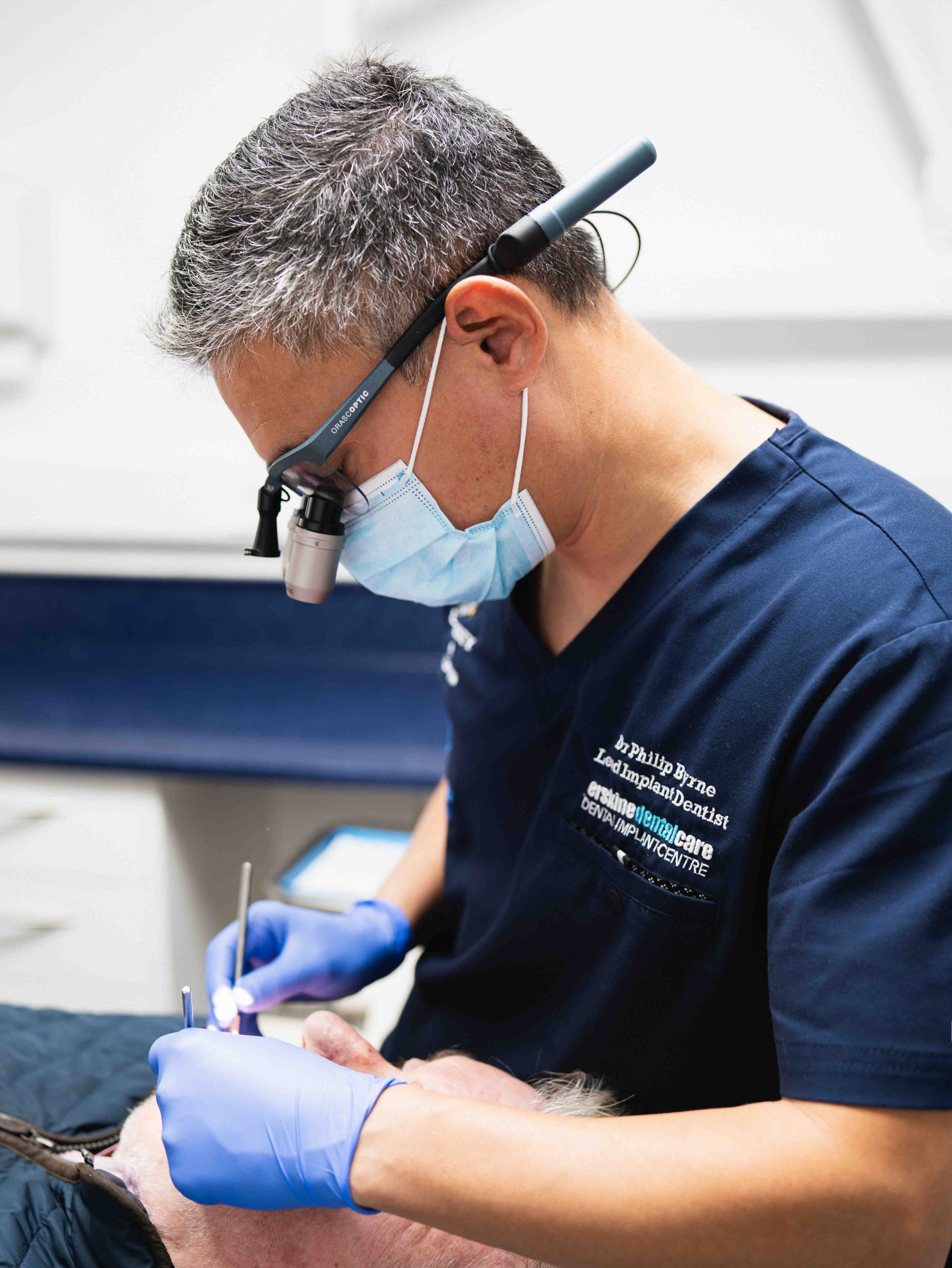
The appropriate treatment for loose dentures depends on how much your mouth has changed since the denture was made. A dentist examines your gums, checks any remaining teeth, and watches the plate as you chew.
Adjustments and relining

Where the plate remains in good condition, necessary adjustments or a reline are often enough. Relining adds fresh material to the fitting surface, so it follows your ridge’s current shape and feels comfortable again. People are often surprised by how much suction returns.
A reline is not suitable for every denture. Your dentist will assess the condition, fit and design of the existing denture before recommending it.
New dentures made in a dental lab

Where the denture is loose, significantly worn or repairs have become increasingly necessary, new dentures may serve better. Modern dentures are custom-made in a dental lab, with digital scanning available in some cases. Natural-looking dentures are shaped around your features, so the aesthetics and natural appearance are considered alongside fit and function.
Implant-retained dentures that function properly

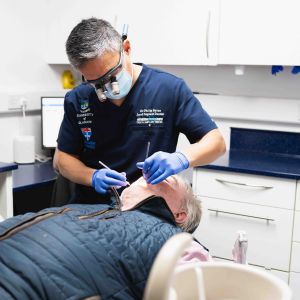
Some people reach a point where conventional adjustment or relining no longer provides sufficient stability, particularly with a lower denture. Attaching a denture to dental implants can provide greater stability, helping it stay securely in place while you eat.
Implant-retained dentures are not suitable for everyone. Your dentist will assess your general and oral health, available bone, oral hygiene and other factors before recommending implant treatment.
Patients often report improvements in comfort, confidence and their ability to eat with implant-retained dentures, although individual results vary, many of our patients describe a life changing experience.
Everyday dental care that protects your dentures
Daily habits will not halt bone change, although they keep your mouth healthy and your denture functional.
- Brush daily with a denture brush and non-abrasive cleaner, since Oral Health Foundation guidance warns that regular toothpaste scratches the surface
- Leave them out overnight where possible, giving your gums time to recover
- Store them in water or a soaking solution so the acrylic does not dry out
- Keep attending check-ups even if you have no natural teeth left, so your oral health can be reviewed and changes identified early



Most people adjust within a week or two, because the tongue learns the new contours quickly. Reading aloud at home for a few minutes daily speeds this along.
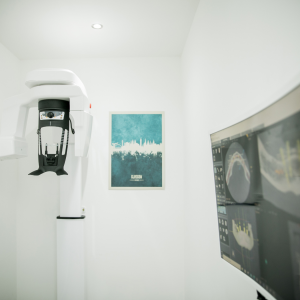
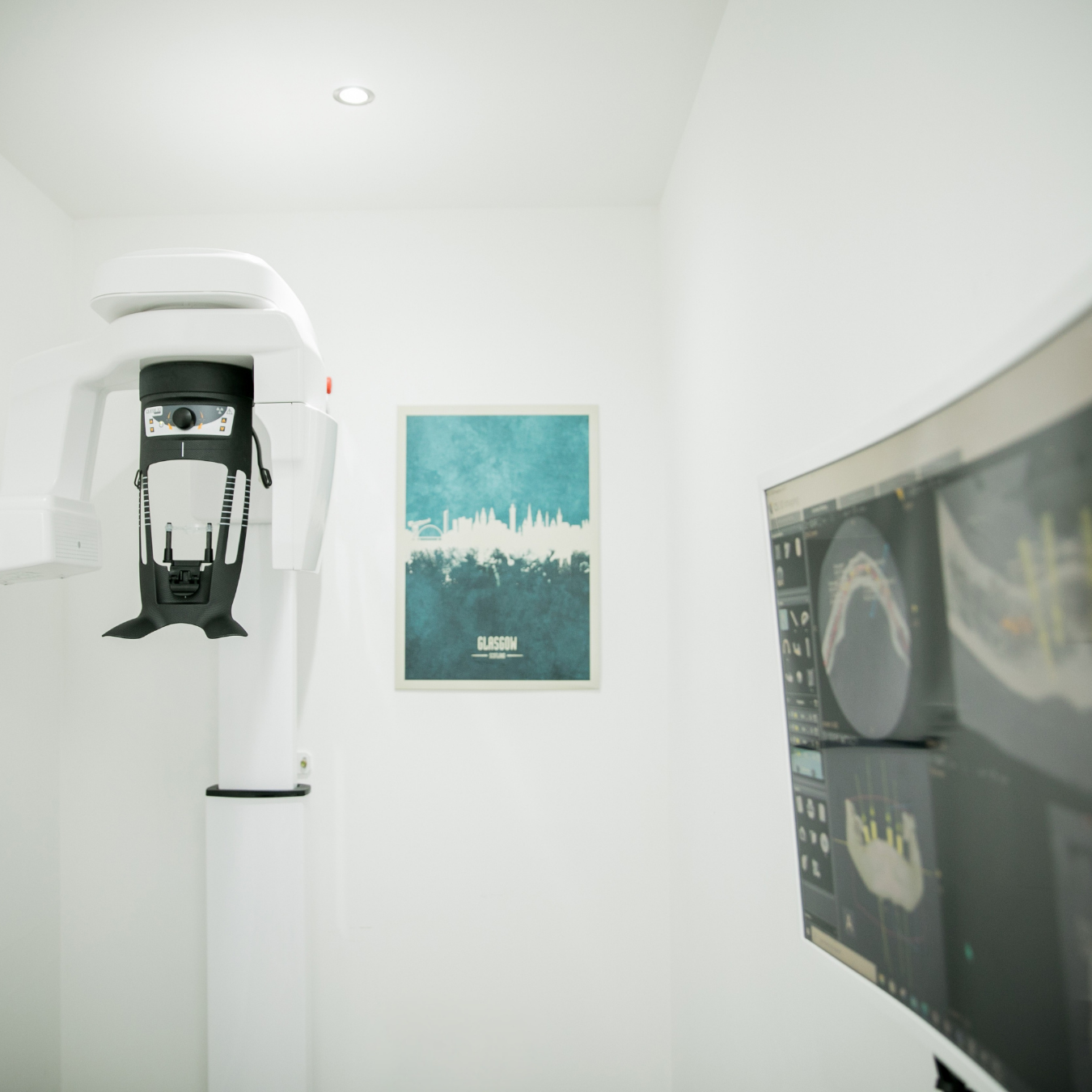
Often, yes, although it depends on how much bone remains, which is why a scan comes first. Long-term denture wear can be associated with changes in the shape and height of the residual ridge, and grafting is sometimes suggested to rebuild it.
Your dentist will discuss the treatment sequence with you and explain what you can expect at each stage. Depending on the treatment being provided, an existing denture may be adjusted, relined or temporarily used while treatment progresses.
After implant surgery, for example, there can be a period when wearing a denture needs to be limited, or the denture needs adjustment. Your dentist will explain the arrangements for your individual treatment rather than assuming that a temporary denture will always be suitable.
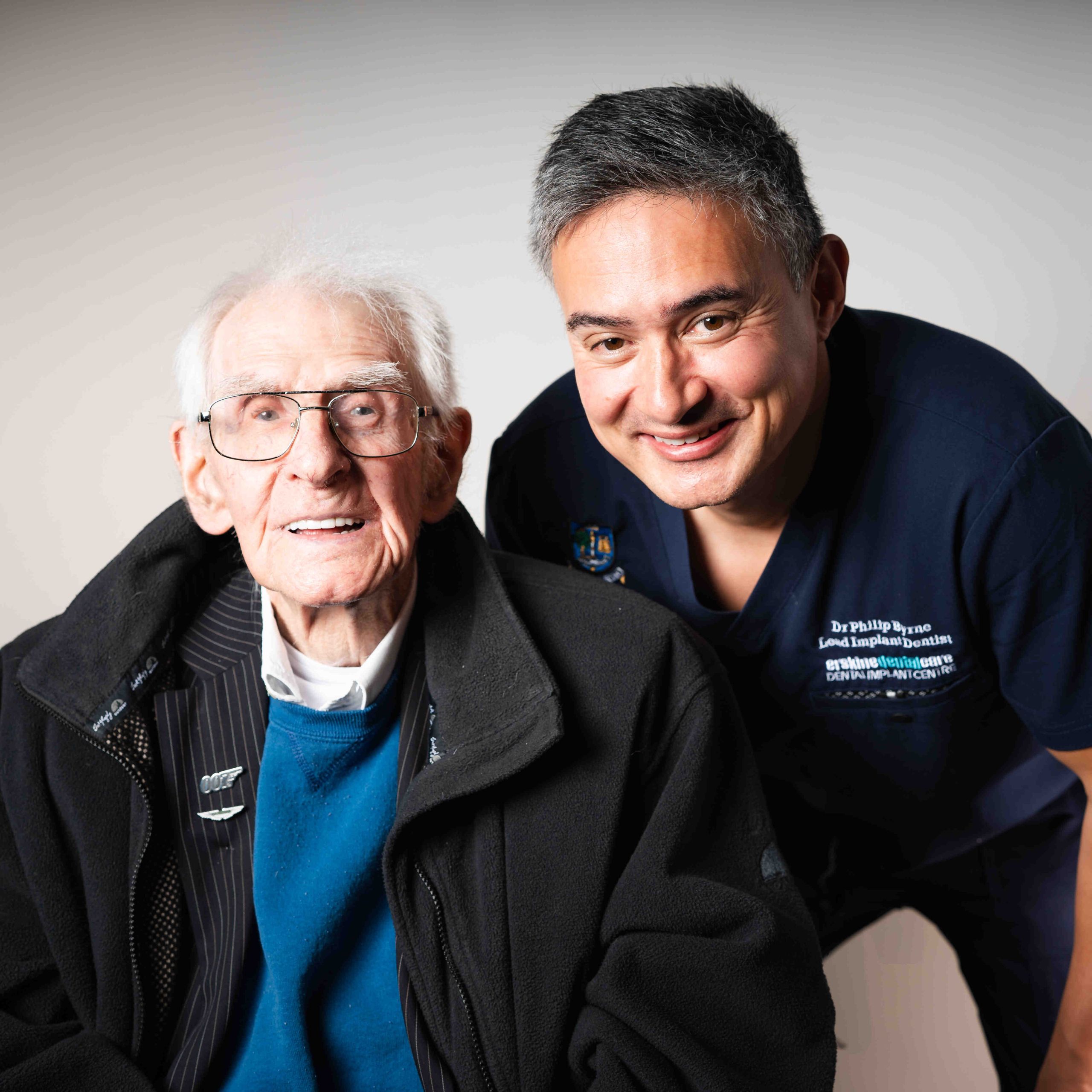
Many of our patients say the same thing afterwards, that they wish they had done it years ago.
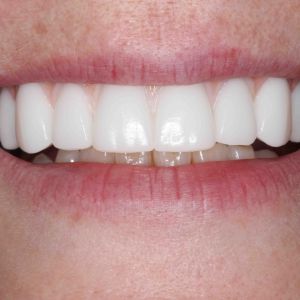
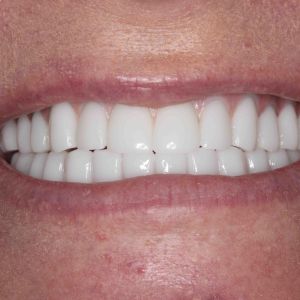
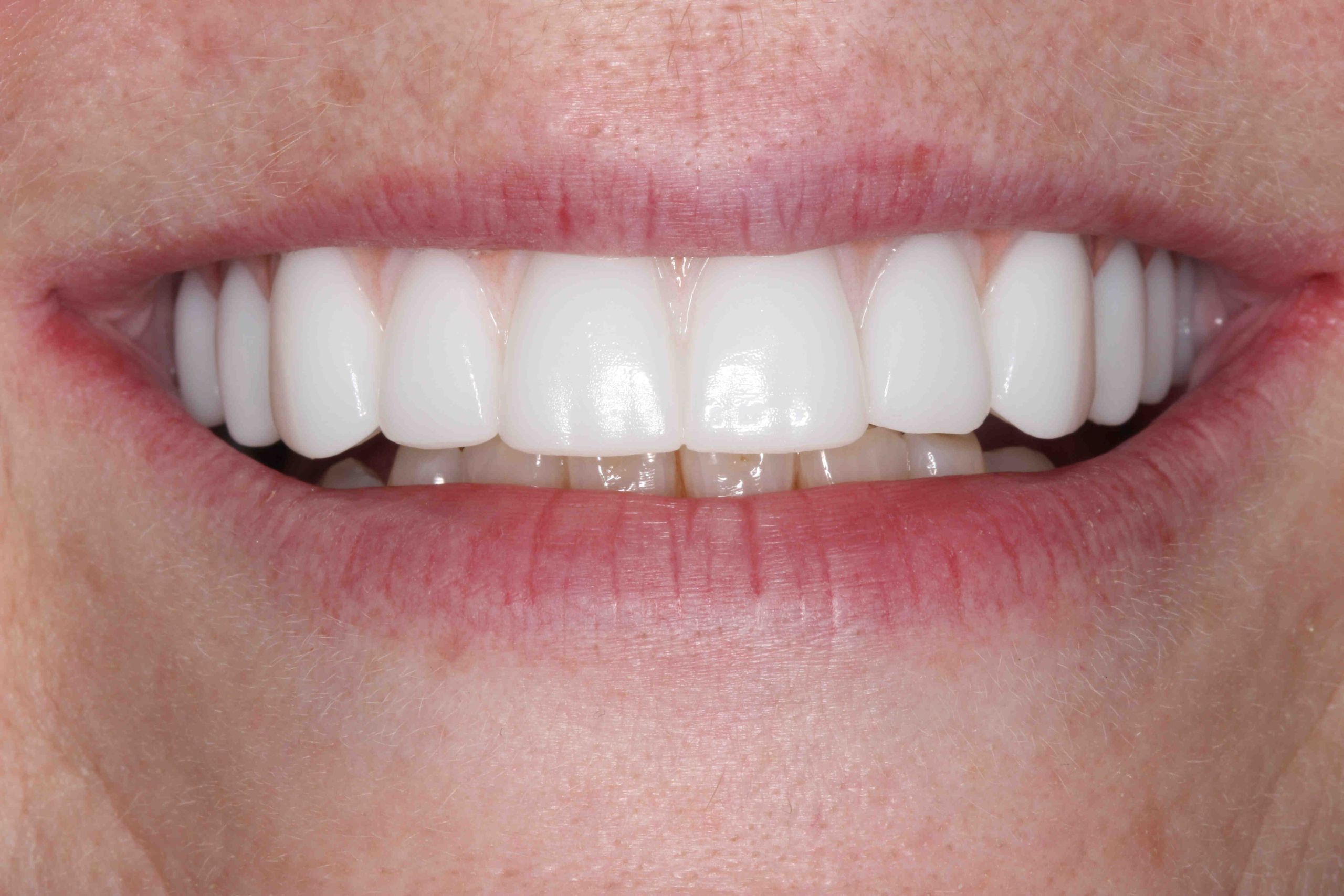
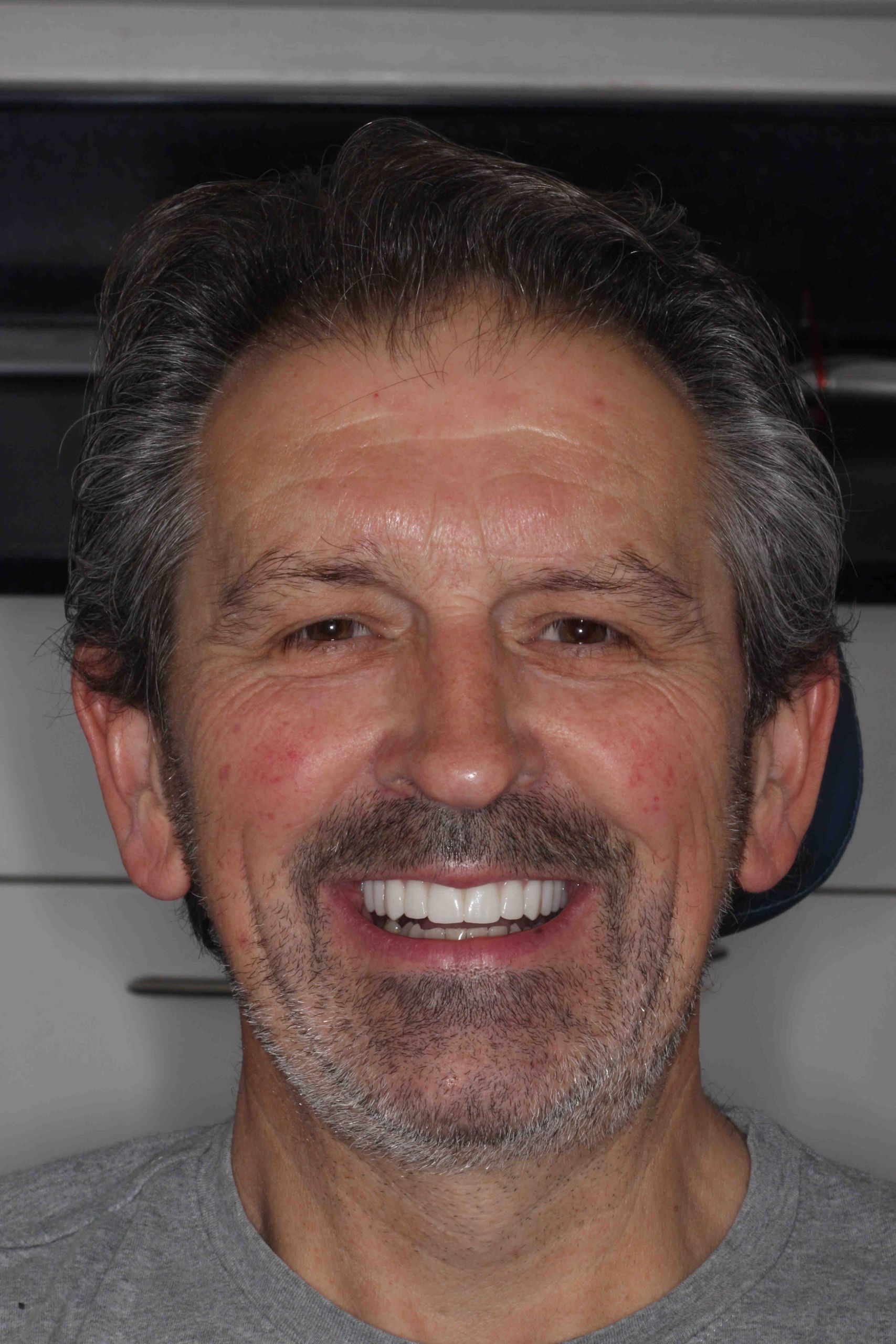
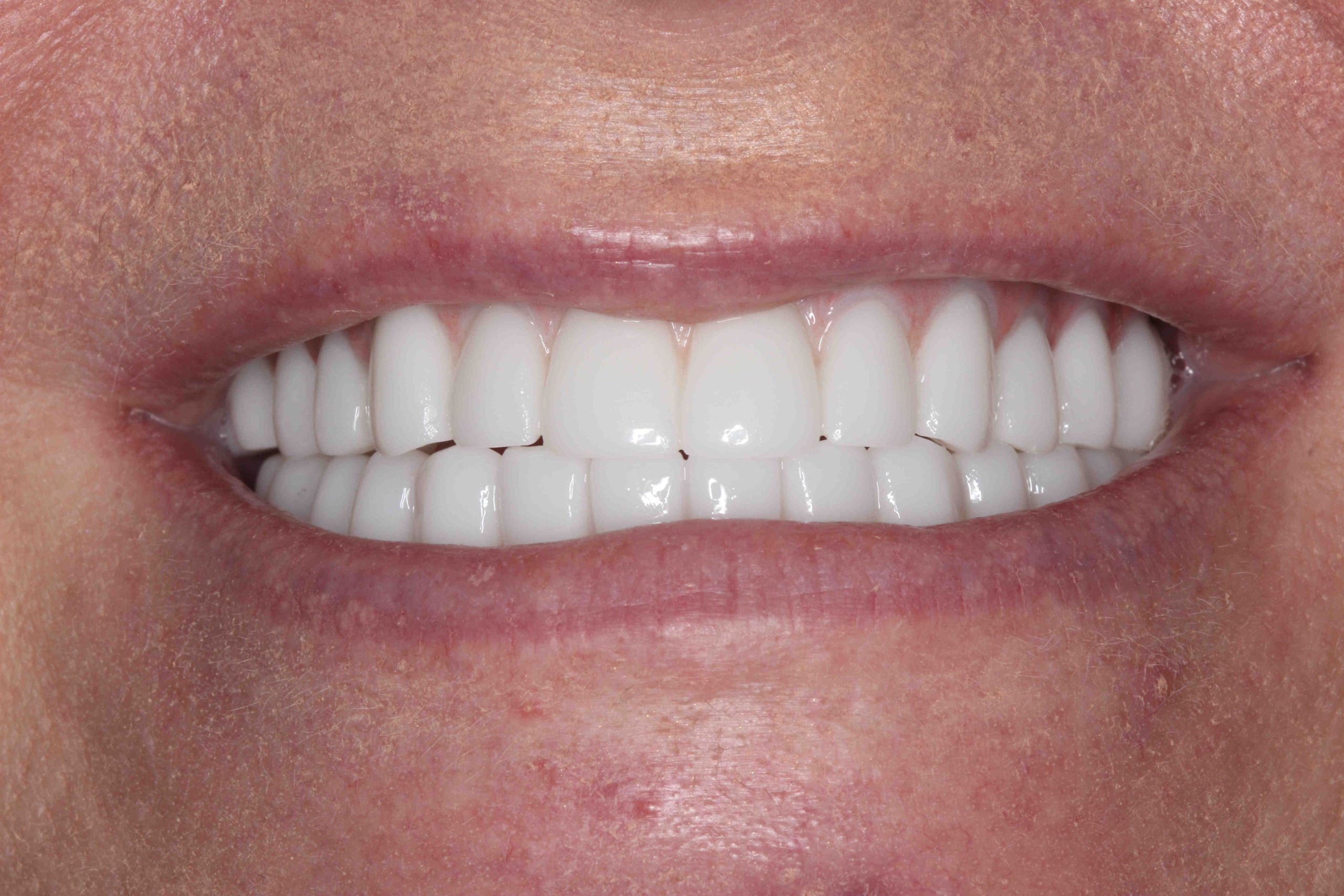
If you would like to restore your smile, our patient results show what that has looked like across the west of Scotland.
About the medical reviewer
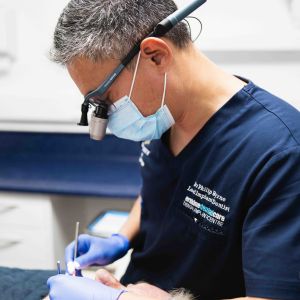
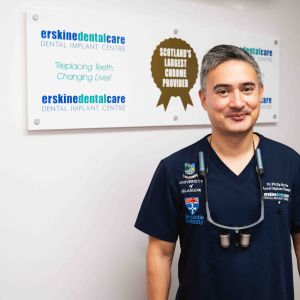
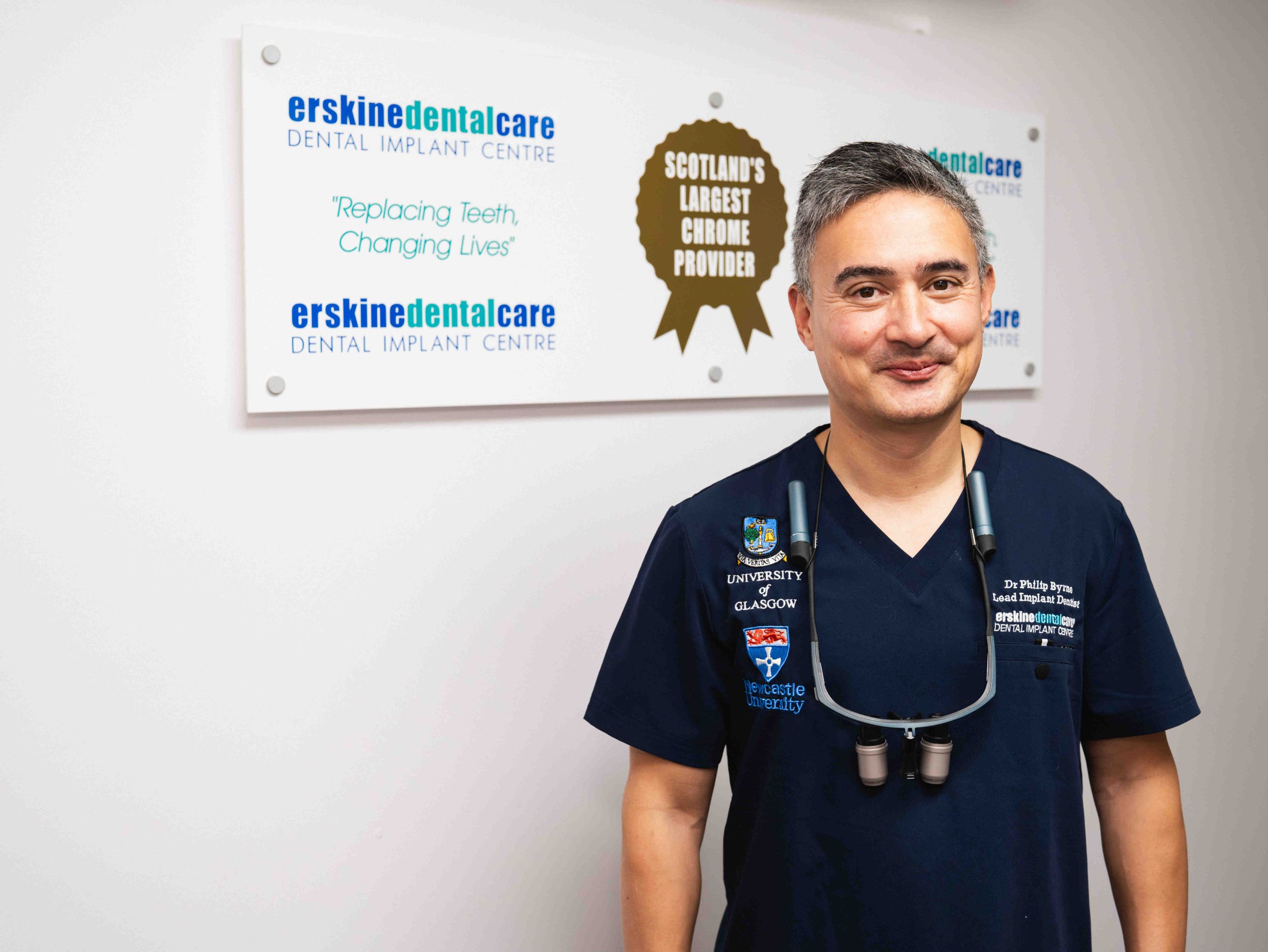
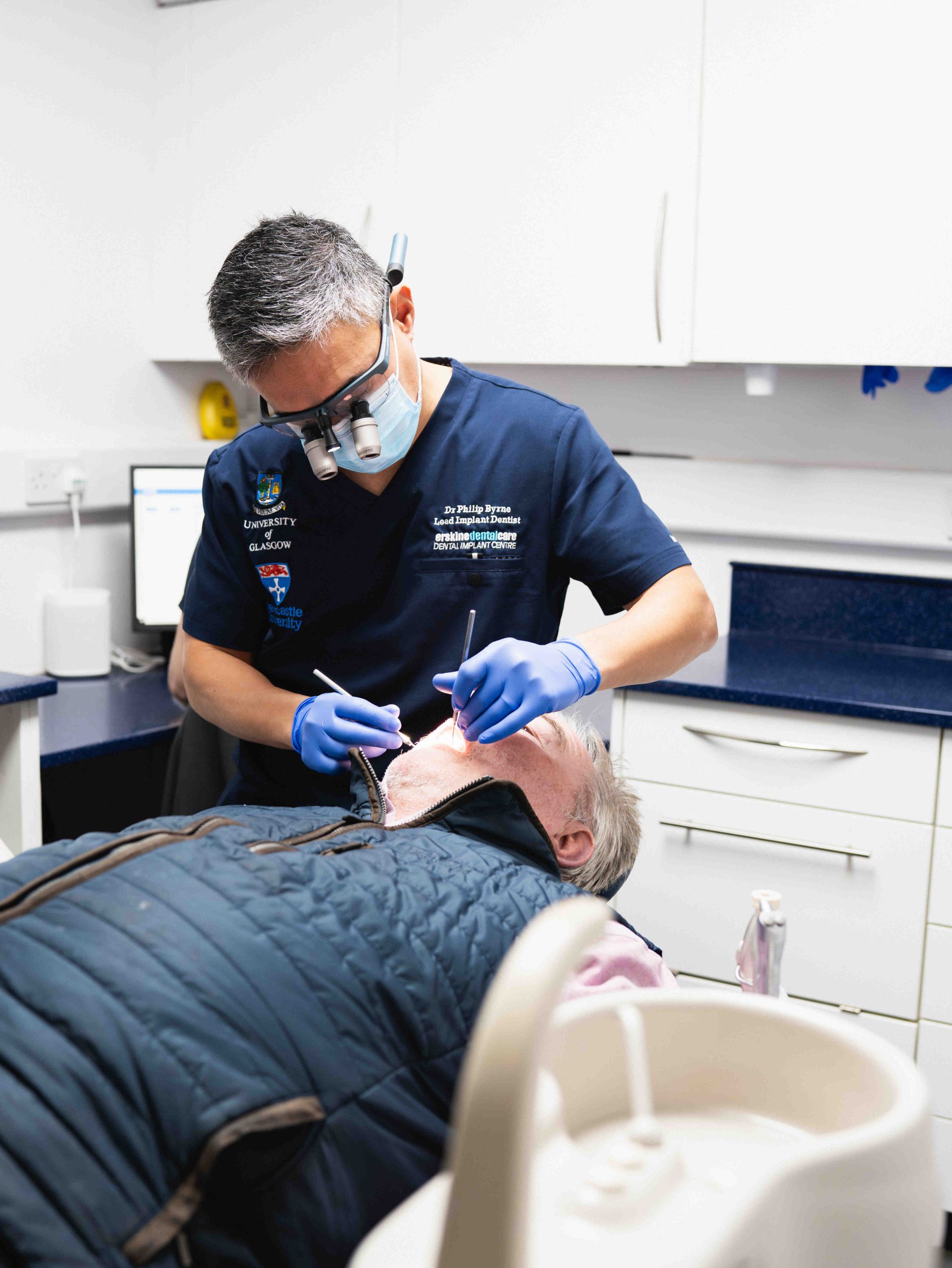
This content was reviewed by Dr Philip Byrne, BDS, DipImpDent, Principal Dentist and Full Arch Implant Dentist at Erskine Dental Care, Erskine, Scotland.
Dr Philip Byrne has placed thousands of dental implants since 2007 and limits his practice exclusively to implant dentistry. He holds a Bachelor of Dental Surgery from the University of Glasgow (2002) and a Postgraduate Diploma in Implant Dentistry from Newcastle University (2018). Dr Byrne is an Associate Fellow of the Association of Dental Implantology (ADI), reflecting his specialist focus in implant and full-arch implant dentistry.
Last reviewed: September 2026
What our Dental Implant patients say about us.
Don’t just take our word for it – hear from our patients who have received Dental Implants at Erskine Dental Care.
John Smith
Glasgow

The change in confidence since my Invisalign treatment has changed my life forever!
Edith Kowalski
Erskine
The team at Erskine Dental Care were absolutley amazing from start to finish, couldnt be happier with my smile!
Patrick Ewing
Erskine
I can now smile with confidence since receiving treatment from Erskine Dental Care.
