

Gum Disease Treatment –
in Glasgow
Important: This page provides general guidance about gum disease and its treatment. It does not replace a dental examination or individual clinical advice. If you are concerned about your gums, please book an examination. Your dentist can then assess your oral health, reach a diagnosis and discuss an appropriate treatment plan.
Sore gums are easy to shrug off as something that will settle on its own. Gum disease can develop quietly in its early stages, so it can go unnoticed. It often responds well to treatment when identified early. Bleeding gums are common, and the Scottish Health Survey recorded gum bleeding in around a third of adults aged 25 to 44. Our team in Glasgow can tell you what is happening, why and what treatment would involve for you.
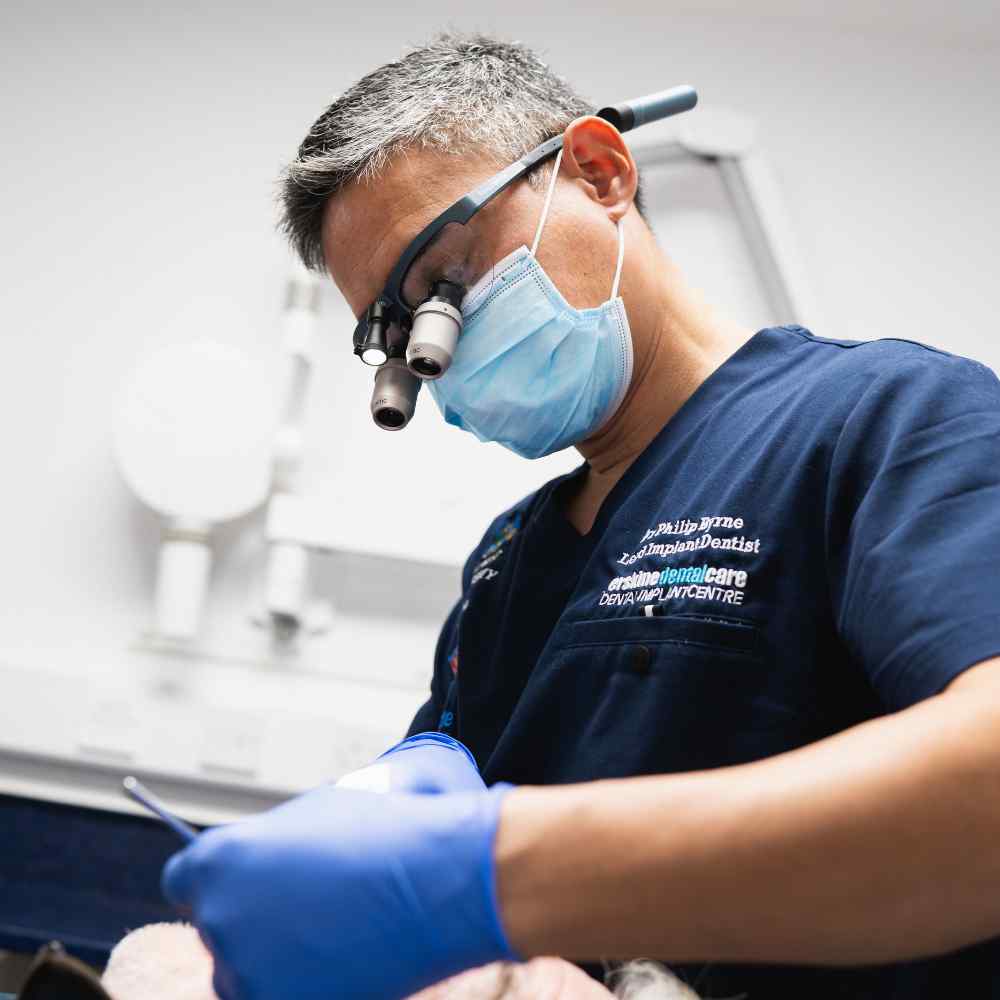
Dr Philip Byrne leads our experienced team, and a free consultation gives you honest answers with no pressure. You can book online, and let us know if you feel anxious about dental visits.

What gum disease does to your gums
Plaque is a soft film of bacteria that builds up on your teeth every day. When plaque accumulates along the gumline, the gum tissue becomes irritated and swollen. That first painless stage, is known as gingivitis, affects the gums alone. If it progresses to periodontitis, inflammation affects the tissues supporting the teeth and can lead to bone loss. This can happen without obvious symptoms, which is why early detection helps prevent further complications.
Gum disease symptoms
Most people spot something small before anything hurts. Bleeding gums after brushing are among the most familiar warning signs. Other signs of gum disease include:
- Swollen gums or inflamed gums that look red rather than pink
- Tenderness while brushing or an ache when you eat
- Lingering bad breath or an unpleasant taste in your mouth
- Receding gums, which can make teeth look longer than before
- Tooth sensitivity, particularly if your gums receded
What advanced gum disease looks like
Advanced gum disease shows itself differently. You might notice loose teeth, an uneven bite or gaps opening between front teeth. These signs deserve a prompt appointment, because prompt treatment can help limit further damage to your teeth and supporting tissues.
Gum disease causes and the risk factors involved
Plaque is the main cause of gum disease, though people differ in how strongly their gums react to it. Two people with similar habits can have different outcomes. Known risk factors include smoking, diabetes, a family history of gum problems, stress and some medications that can reduce saliva production. Pregnancy hormones can also make gums more reactive.
Types of gum disease
The condition ranges from mild to advanced, and the stage and severity of the disease shape your treatment options.
- Gingivitis is the early form. It affects the gums alone, and regular dental cleaning with good plaque control usually reverses it.
- Periodontal disease, or periodontitis, reaches the tissues and supporting bone. Routine treatment cannot restore the supporting tissue and bone already lost, although regenerative treatment may be possible in selected cases. Treatment aims to control the disease and prevent further progression.
How gum disease treatment works
Dentists treat gum disease using a staged approach set out by the European Federation of Periodontology. Care escalates only where areas remain unhealthy, so not everyone needs every stage of treatment.
Step 1: Improving oral hygiene and controlling risk factors

The first step focuses on creating the conditions needed for successful treatment. This can include:
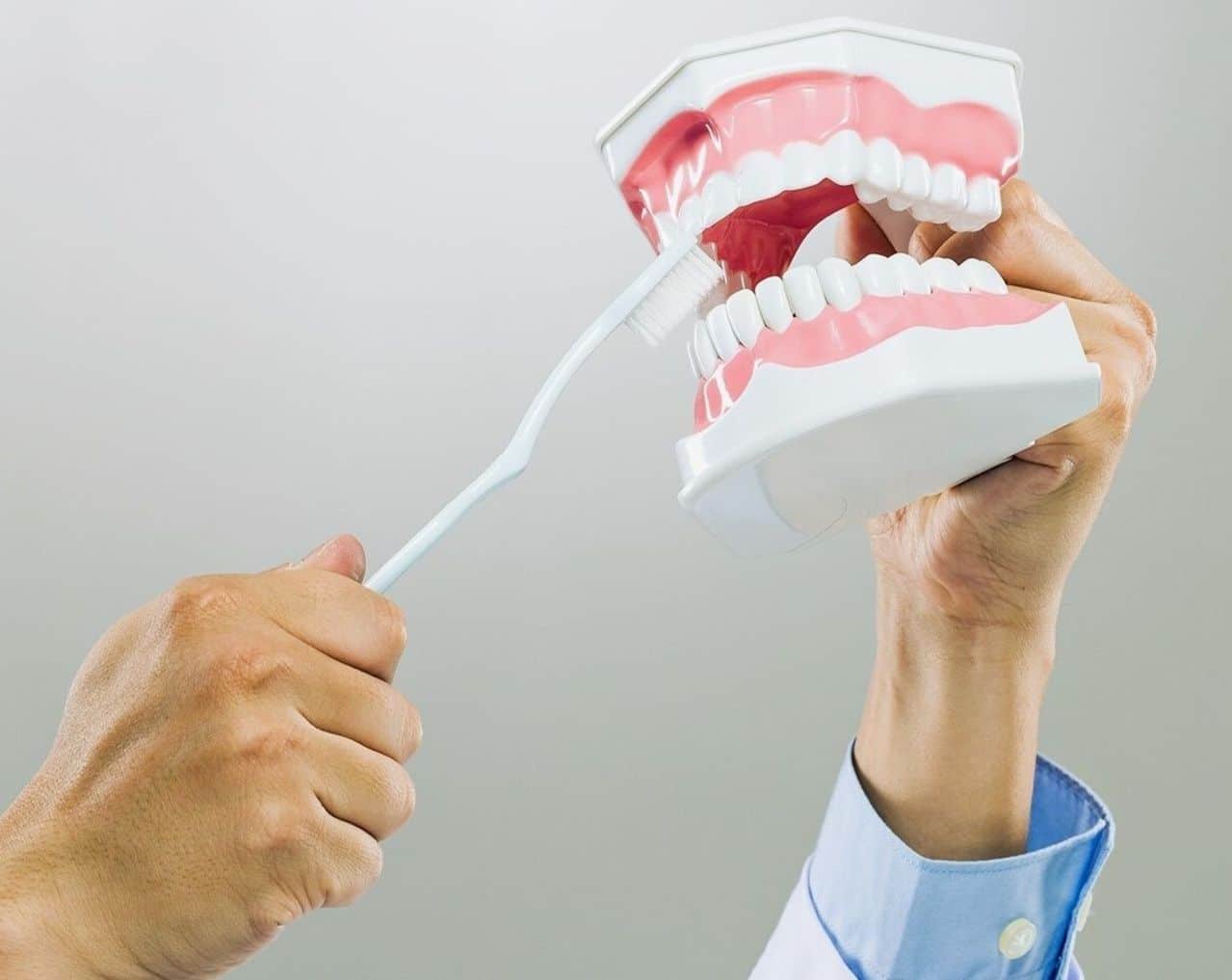
- Personalised advice on brushing and flossing your teeth
- Professional removal of plaque and calculus where appropriate
- Advice and support to stop smoking
- Support with managing diabetes where relevant
- Identifying and correcting plaque-retentive factors, such as some overhanging restorations
- Supporting you to establish sustainable daily oral hygiene habits
Your dentist or dental hygienist can recommend the most appropriate interdental cleaning method for you. Depending on the spaces between your teeth, this may include interdental brushes or dental floss.
Your response to Step 1 is assessed before deciding whether further periodontal treatment is required.
Step 2: Professional cleaning beneath the gumline

This is the stage people call deep cleaning, or scaling and root planing. Cleaning below the gumline is a core part of treating established periodontitis. Instruments reach below the gum margin to remove plaque and hardened deposits that a brush cannot touch. Possible side effects include short-lived sensitivity and tenderness for a few days.
Antibiotics are not routinely needed for everyone with periodontitis, though they may be prescribed in specific circumstances where your dentist considers them appropriate.
Step 3: Surgical treatment where pockets persist
Sometimes pockets stay deep despite thorough non-surgical treatment. Periodontal care may then progress to surgical treatment in selected cases, reaching areas that remain difficult to treat with non-surgical methods. In advanced cases, regenerative procedures involving bone or tissue may be considered to address certain types of periodontal defects.
Some people search for a gum disease specialist here, though the need for referral or specialist periodontal care depends on the severity and complexity of the condition.
Step 4: Protecting your healthy teeth long term

Periodontitis requires long-term, ongoing care. Once active treatment is complete, supportive periodontal care aims to maintain stability, identify recurrence early and manage any areas that begin to deteriorate.
The appropriate recall interval varies according to your periodontal condition and risk profile. SDCEP indicates that maintenance intervals may range from approximately 3 to 12 months, depending on the individual patient.
Daily brushing and good plaque control remain an important part of maintaining your results.
When gum disease has led to tooth loss
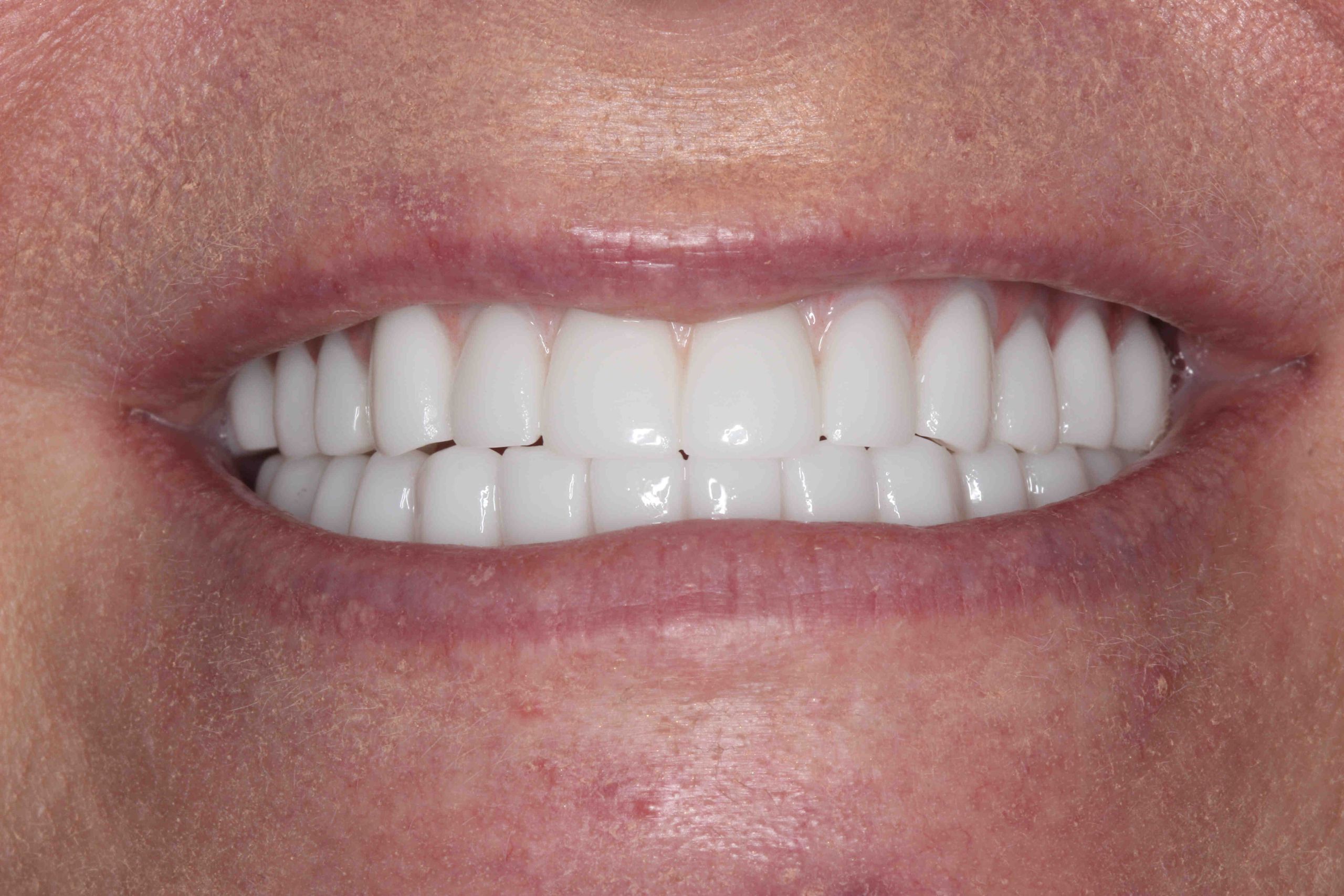
Sometimes teeth are lost before treatment begins, which is not the end of the story. Once your gums are stable and any active periodontal disease has been appropriately managed, dental implants can provide a fixed replacement for missing teeth.
Whether a single tooth or multiple teeth replacement is required replacing one to four missing teeth heathly gums is the goal prior to and after implant treatment, so assessment and treatment of any active gum disease should take priority.
A history of periodontitis can increase the risk of disease around dental implants, so good oral hygiene and ongoing professional maintenance remain important after implant treatment.
Everyday oral hygiene that helps prevent gum disease
Small daily habits protect your oral health more reliably than a yearly visit alone.
- Brush twice a day with a fluoride toothpaste, angling bristles towards the gumline
- Spit out after brushing rather than rinsing vigorously with water
- Keep up with regular dental check-ups, particularly if you smoke
- Clean between your teeth daily, since dental floss and interdental brushes reach plaque a brush misses
Brushing and cleaning between your teeth are both important parts of maintaining good plaque control. Your gum disease dentist can recommend the most suitable interdental cleaning method for you.

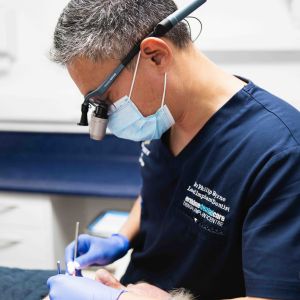



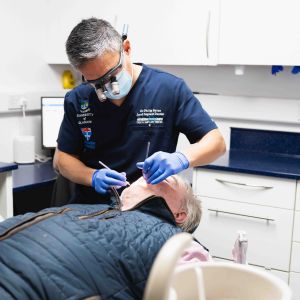



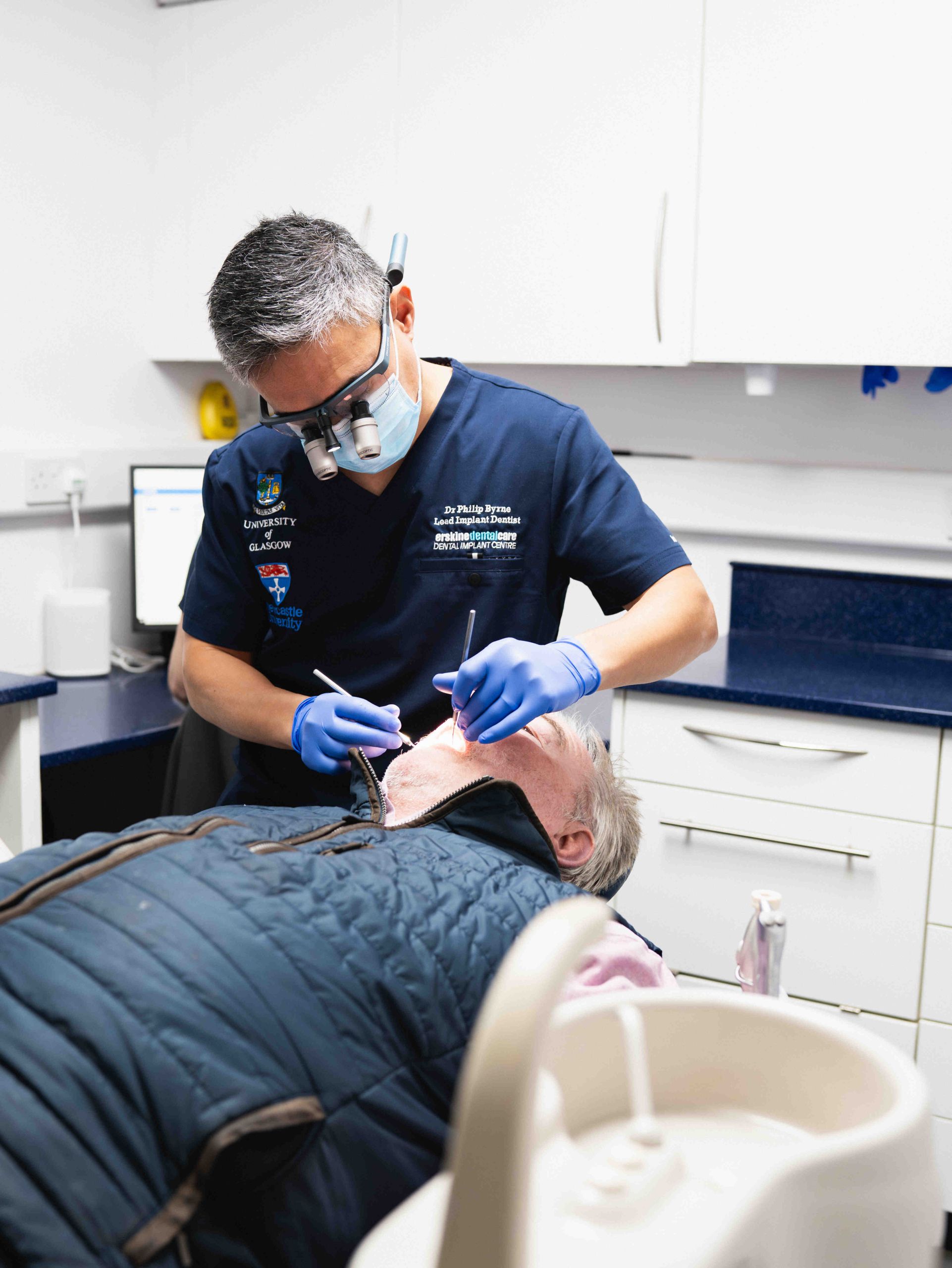


Cleaning is carried out with local anaesthetic where needed, depending on the treatment being provided. Many patients are surprised by how manageable it feels. Gums or teeth can be sensitive for a few days afterwards. Tell your clinician if you are nervous, because the pace and approach can be adjusted to help you feel more comfortable.
It can, which is why review and maintenance appointments matter. Treated gums need ongoing monitoring afterwards, particularly if you have had periodontitis. Steady home care and regular professional care help reduce the risk of the disease becoming active again.
Research has identified associations between gum disease and wider health, particularly diabetes, where the relationship runs both ways. Periodontal treatment can improve blood sugar control in people who have both periodontitis and diabetes, although gum disease should not be presented as the sole cause of wider health conditions.
Treating your gums is important for your oral health, and your dentist can discuss any relevant wider health considerations alongside your medical history.
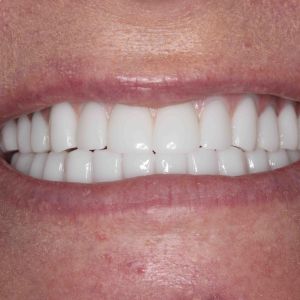
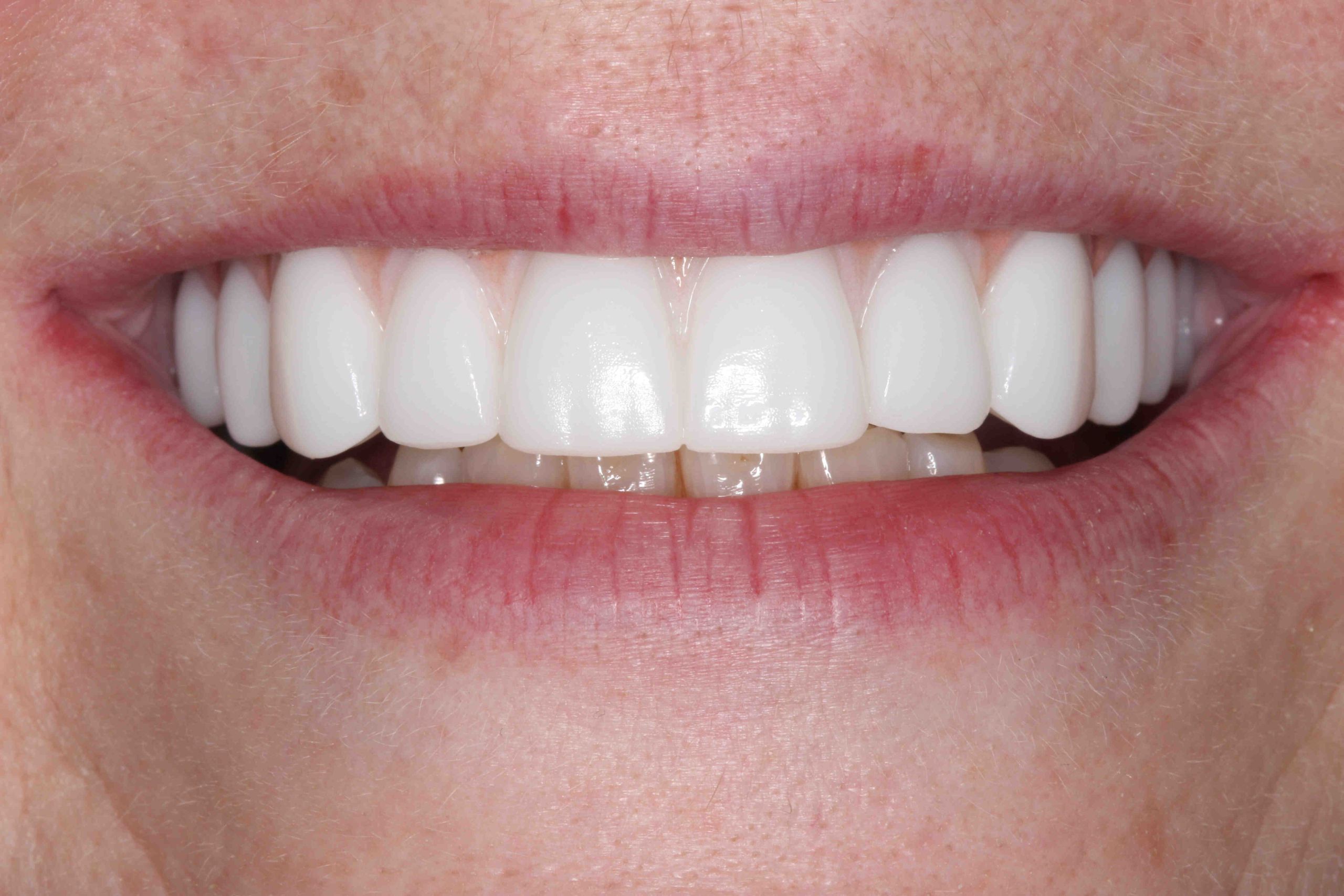
Real stories tell it better than we can, from gum disease treatment through to fixed teeth.
See how we help people across Glasgow in our patient results.
About the medical reviewer
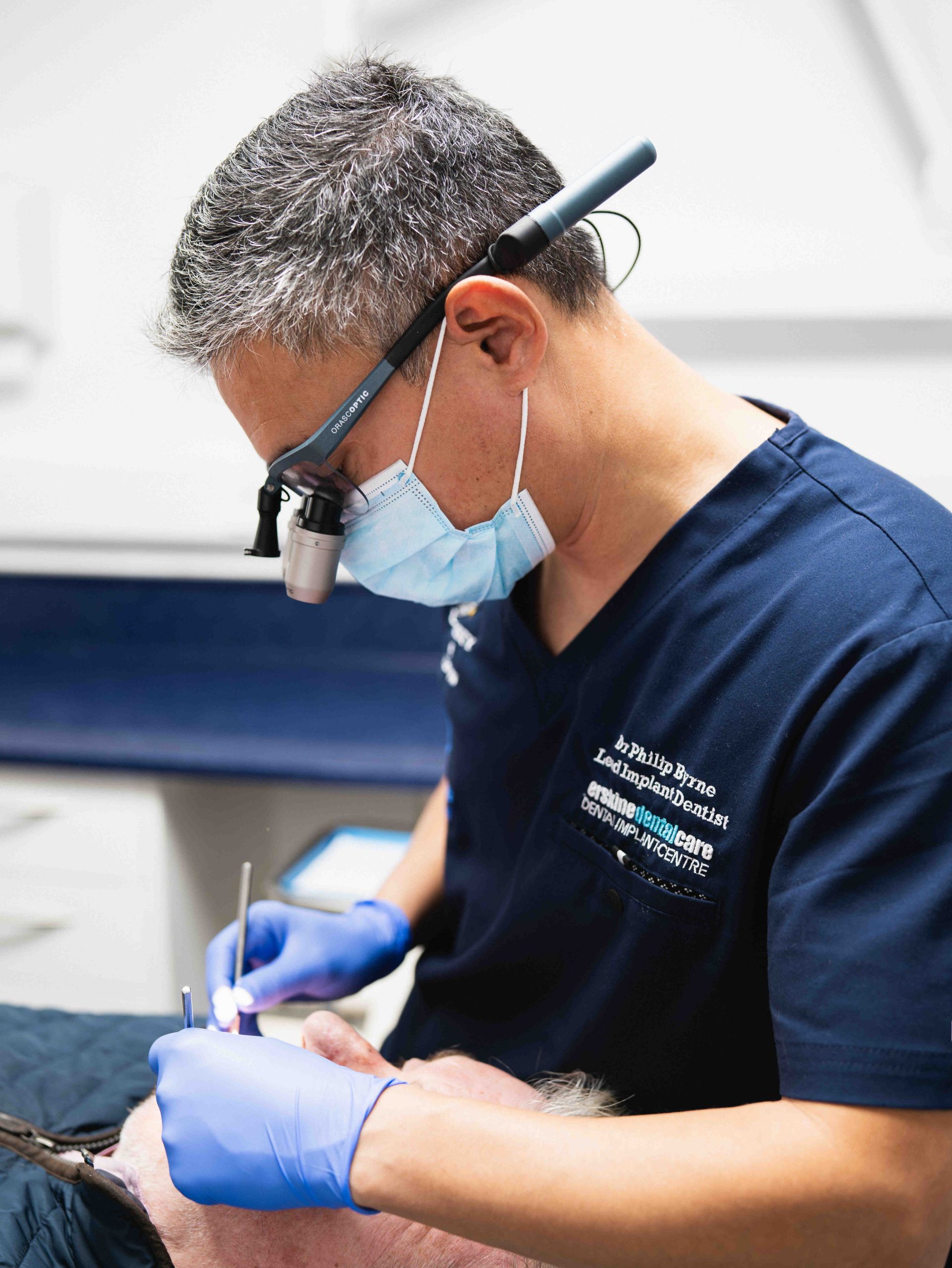
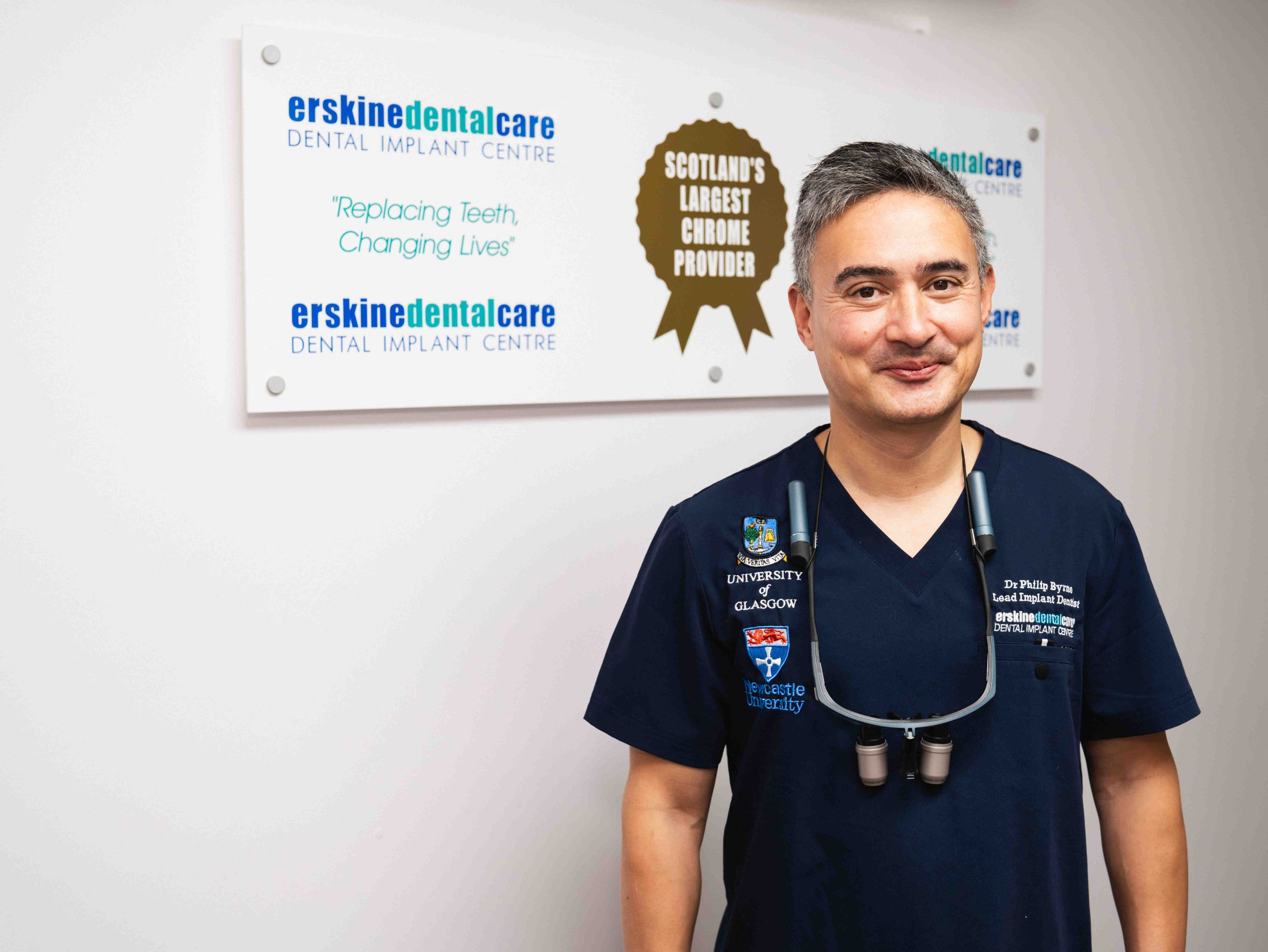
This content was reviewed by Dr Philip Byrne, BDS, DipImpDent, Principal Dentist and Full Arch Implant Dentist at Erskine Dental Care, Erskine, Scotland.
Dr Philip Byrne has placed thousands of dental implants since 2007 and limits his practice exclusively to implant dentistry. He holds a Bachelor of Dental Surgery from the University of Glasgow (2002) and a Postgraduate Diploma in Implant Dentistry from Newcastle University (2018). Dr Byrne is an Associate Fellow of the Association of Dental Implantology (ADI), reflecting his specialist focus in implant and full-arch implant dentistry.
Last reviewed: September 2026
What our Dental Implant patients say about us.
Don’t just take our word for it – hear from our patients who have received Dental Implants at Erskine Dental Care.
John Smith
Glasgow

The change in confidence since my Invisalign treatment has changed my life forever!
Edith Kowalski
Erskine
The team at Erskine Dental Care were absolutley amazing from start to finish, couldnt be happier with my smile!
Patrick Ewing
Erskine
I can now smile with confidence since receiving treatment from Erskine Dental Care.
