

Broken Tooth Repair – Glasgow
Important: This page provides general guidance about broken and chipped teeth and does not replace advice from a dentist. If you have a broken tooth with significant pain, swelling, bleeding or other concerning symptoms, contact a dental practice for advice. If you have difficulty breathing or swallowing, seek emergency medical help.
A chipped or cracked tooth can happen unexpectedly, whether through an accident, biting something hard or everyday wear. Dental research suggests around one in five adults has damaged a permanent tooth at some point. The reassuring part is that dentists can usually treat chipped and broken teeth.
If you are looking for a dentist for broken teeth in Glasgow, our friendly team is glad to take a look.
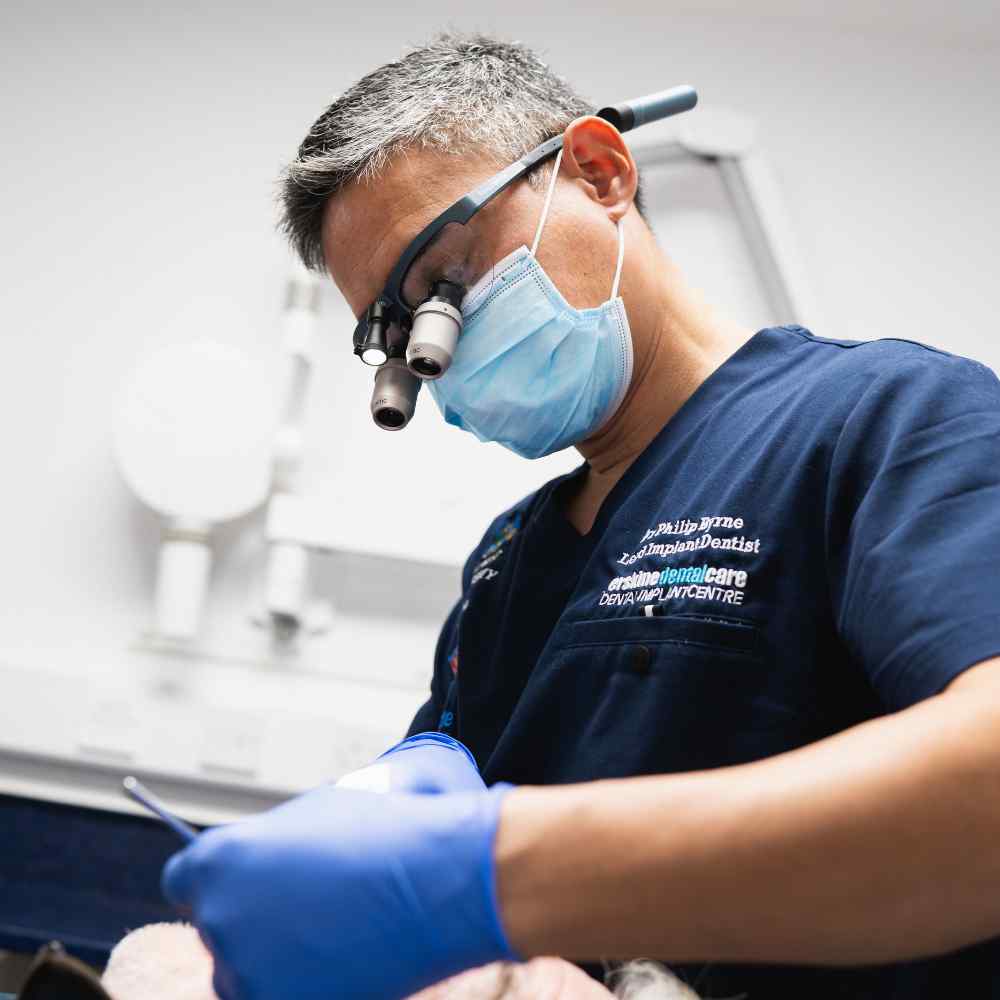
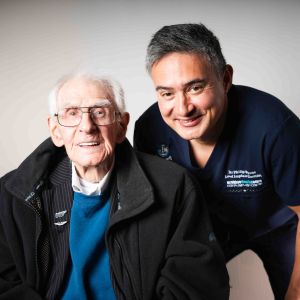
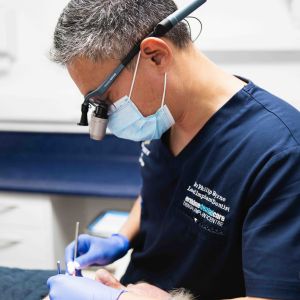
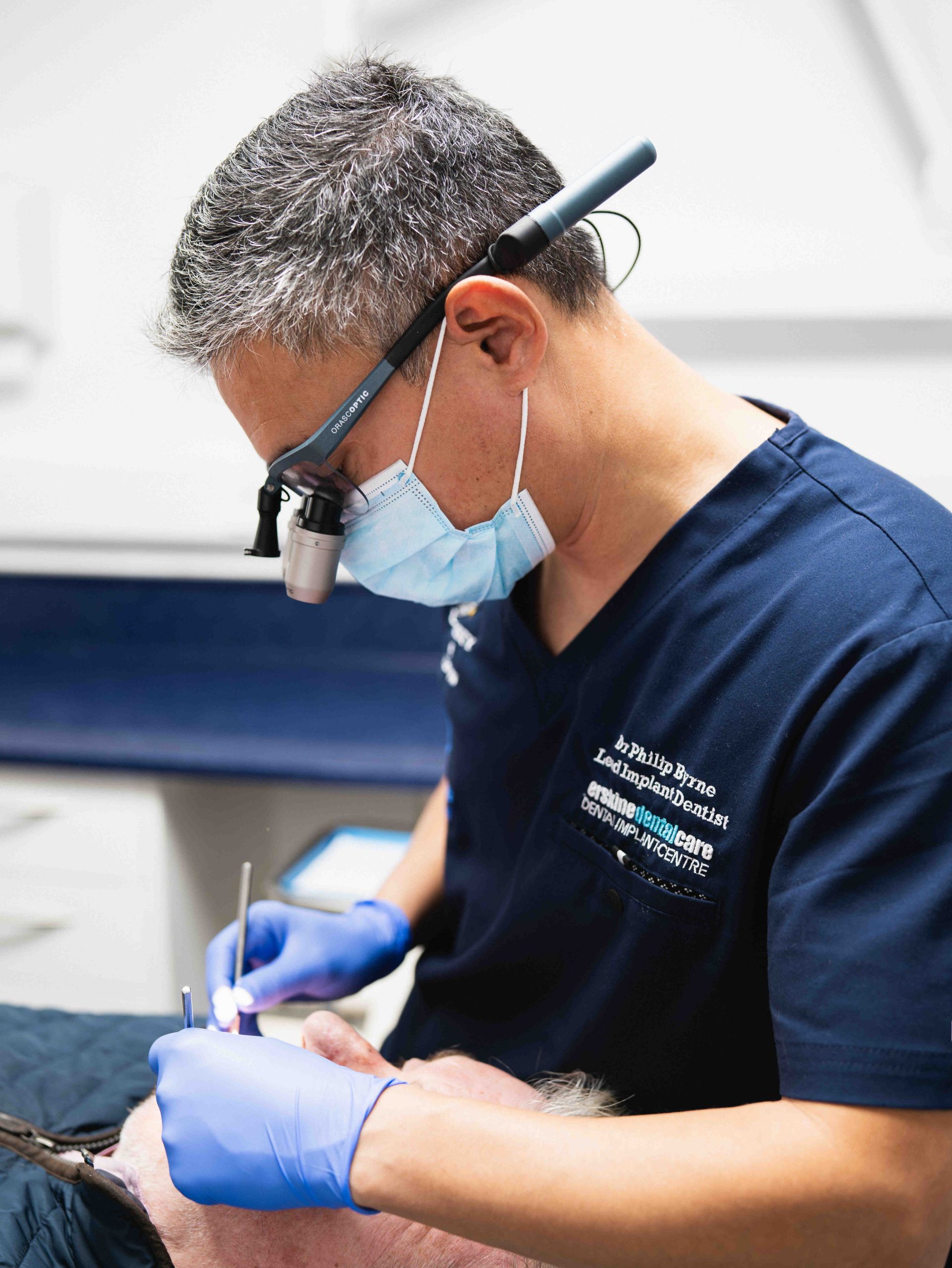
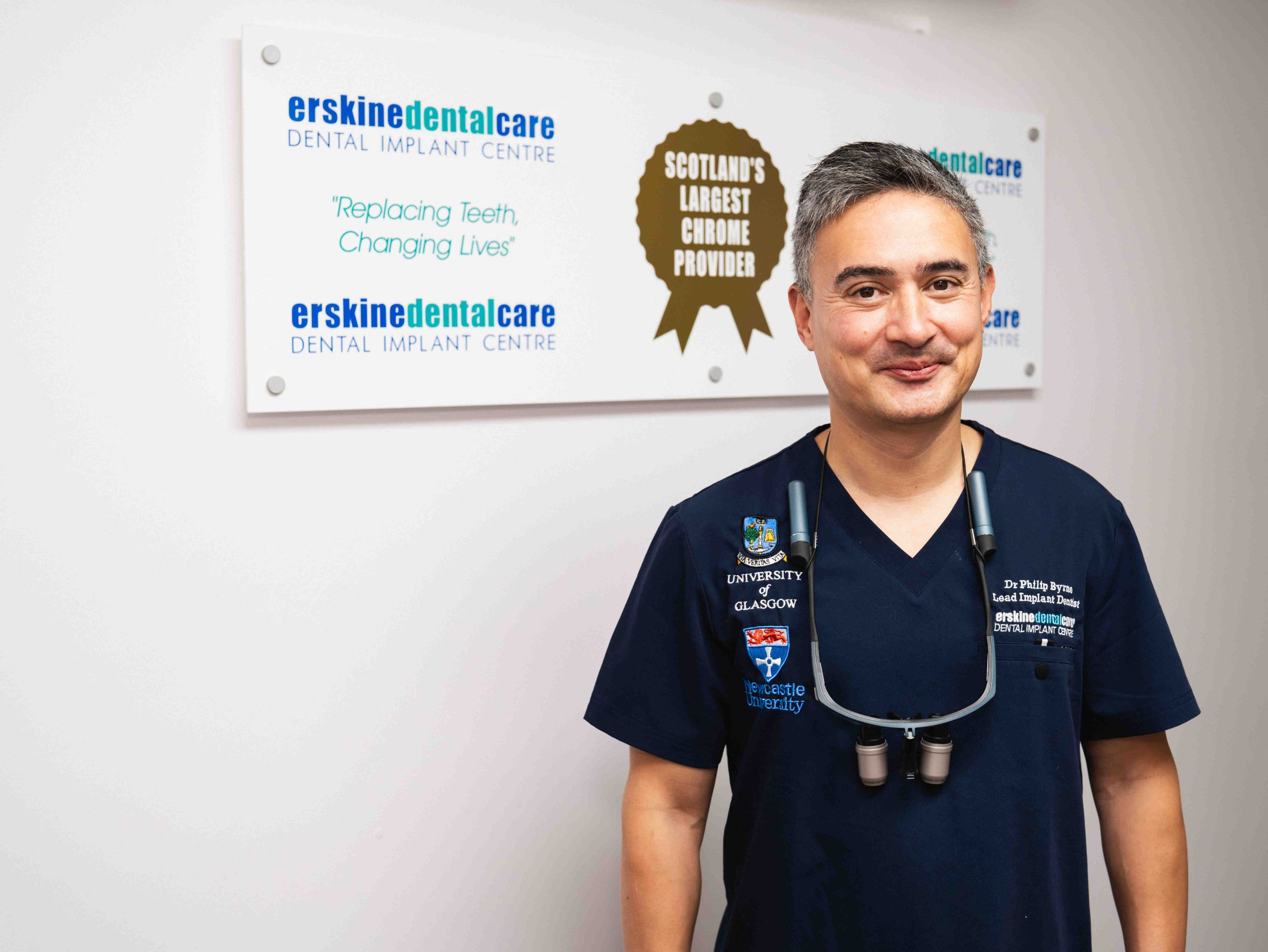
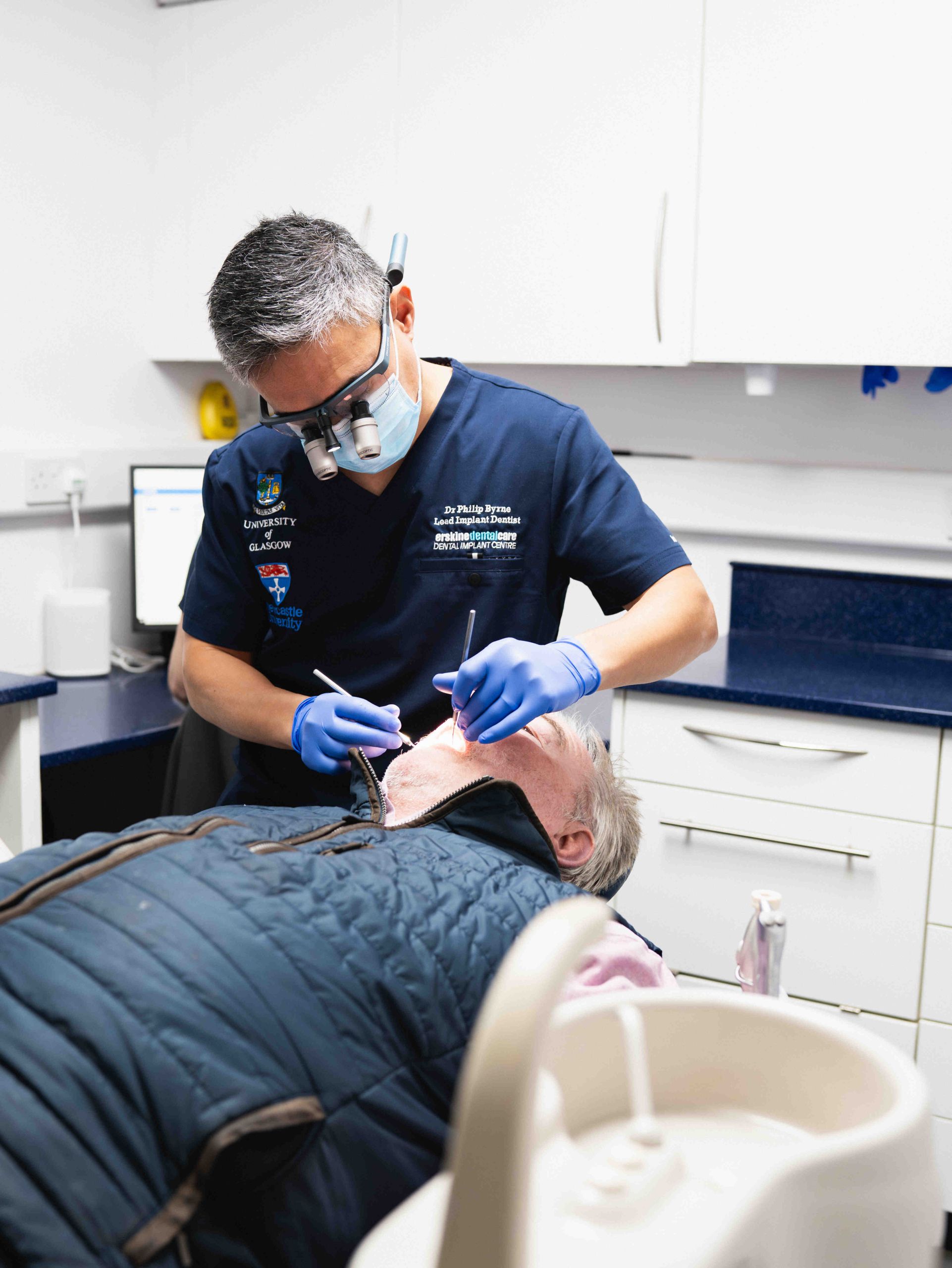
Dr Philip Byrne brings more than 24 years of experience, and a free consultation gives you honest options with no pressure.
When a broken tooth
needs quick attention
Every break is a little different, and a calm first look tells you plenty. Whether you have a chipped or broken tooth, it helps to notice how much has come away. Minor chips with no pain are rarely a dental emergency, and they can usually wait for a normal appointment. A dentist can then assess the tooth, smooth any sharp edge, or add a simple filling.
Some signs point to more urgent care. A severely broken tooth that reaches the nerve, or a break that is causing pain, is worth a prompt call. A cold compress against your cheek may help with swelling and discomfort while you arrange to be seen. Knocked-out teeth are a separate and more urgent situation, so ring a dentist straight away.
It helps to picture the break on a scale. A shallow chip affects only the hard outer enamel and may need more than smoothing. A deeper break reaches the softer layer beneath and can feel sensitive. A break that exposes the nerve is more serious and should be assessed promptly.
The everyday ways a
chipped tooth is repaired
Broken tooth treatment ranges from a quick polish to a fuller rebuild, and your dentist will advise what suits the break. The treatment needed depends on how much of the tooth has been damaged and whether the inner part of the tooth has been affected. A tiny chip on the enamel is often smoothed in minutes, while a fractured tooth may need a little more. Your dentist will talk you through the treatment options and match them to the damage.
1. Composite bonding and fillings

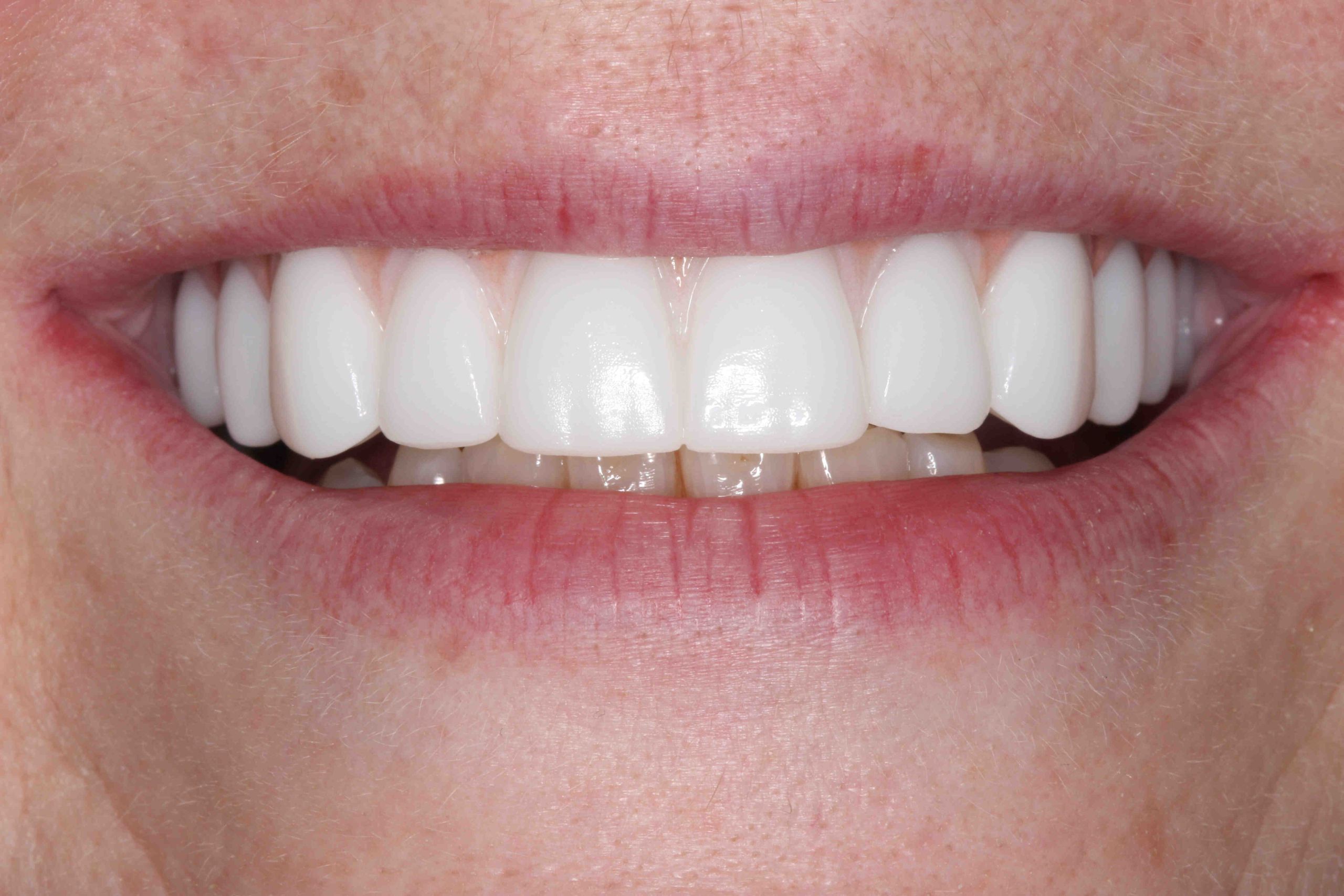
For small chips, a dentist bonds a tooth-coloured resin straight onto the surface. This gentle repair can rebuild the shape without removing much healthy tooth structure. The same material, sometimes called plastic resin, can also be used for certain fillings.
Many composite repairs can be carried out under local anaesthesia where appropriate, although this is not always necessary. Plenty of people arrive worried about a chipped front tooth before a wedding or holiday, and composite bonding can sometimes provide a same-day cosmetic improvement. Erskine offers composite bonding privately for suitable chipped front teeth, shaped and polished to blend with your smile.
2. Dental crowns for bigger breaks

When more of the tooth is missing, a dental crown may cover and protect what remains. A dental crown caps the damaged tooth like a helmet, and it can help restore its shape and function. For a smaller area on a back tooth, an inlay or onlay may be the better fit. A dentist aims to remove only the damaged part, keeping as much of your own tooth as possible.
3. Root canal treatment for deeper breaks
A deep break can reach the soft nerves inside a tooth. Root canal treatment may be needed when the dental pulp becomes exposed, inflamed or infected. The treatment removes the affected tissue and seals the space to prevent further infection. A crown may be recommended afterwards to help protect the tooth.
Root canal treatment carries a bigger reputation than it deserves, and modern care can feel much like a routine filling.
Replacing a tooth that cannot be repaired
Sometimes a tooth is too damaged to restore, and your dentist may recommend extraction when other treatment is not suitable. If a tooth extraction is the kindest route, the space can be filled with a natural-looking replacement. Erskine focuses only on implants, and here is what that replacement offers:
- A dental implant sits securely in the jaw like a natural tooth root.
- For a single gap, you can look at replacing a missing tooth with a fixed, comfortable result.
- Replacing a missing tooth can help restore function and maintain the appearance of your smile.
- The result is designed to look and work like the tooth you lost.
Extraction may be recommended when other suitable treatment options cannot restore the tooth.
What a dental repair costs
The treatment cost of fixing a broken tooth depends on the repair it needs. A quick polish or filling sits at the lower end, while an implant involves a more expensive treatment process. As a rough guide, a simple repair is easier on the budget than a crown, and an implant sits at the higher end.
Implants are not routinely available on the NHS in Scotland, although there are limited circumstances where NHS implant treatment may be available. Treatment availability and eligibility should be discussed with a dental professional.
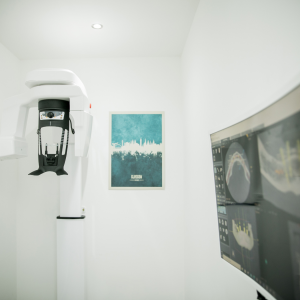
Erskine keeps treatment pricing clear from the first visit, and finance options help spread the cost. You can talk figures through at your consultation, and there is no obligation to go ahead.
Caring for your smile after
chipped tooth repair
A repaired tooth settles nicely with a little everyday kindness. Aftercare depends on the type of repair, but a few simple habits can help protect the tooth:
- Follow your dentist’s advice about eating after your treatment, particularly if the tooth remains sensitive.
- Avoid hard foods and chewing ice until the tooth feels solid again.
- Some sensitivity can occur after treatment due to cold foods. If it persists or worsens, contact your dentist.
- Sport is a common cause of dental injury, so a custom mouthguard is a smart move for contact sports.
- Keep up steady oral health habits and regular checkups to help the whole smile stay healthy.
- If your dentist recommends it, a warm salt-water rinse may help soothe the area.
- If a bonded chip feels rough or damaged again, contact your dentist so they can assess it.
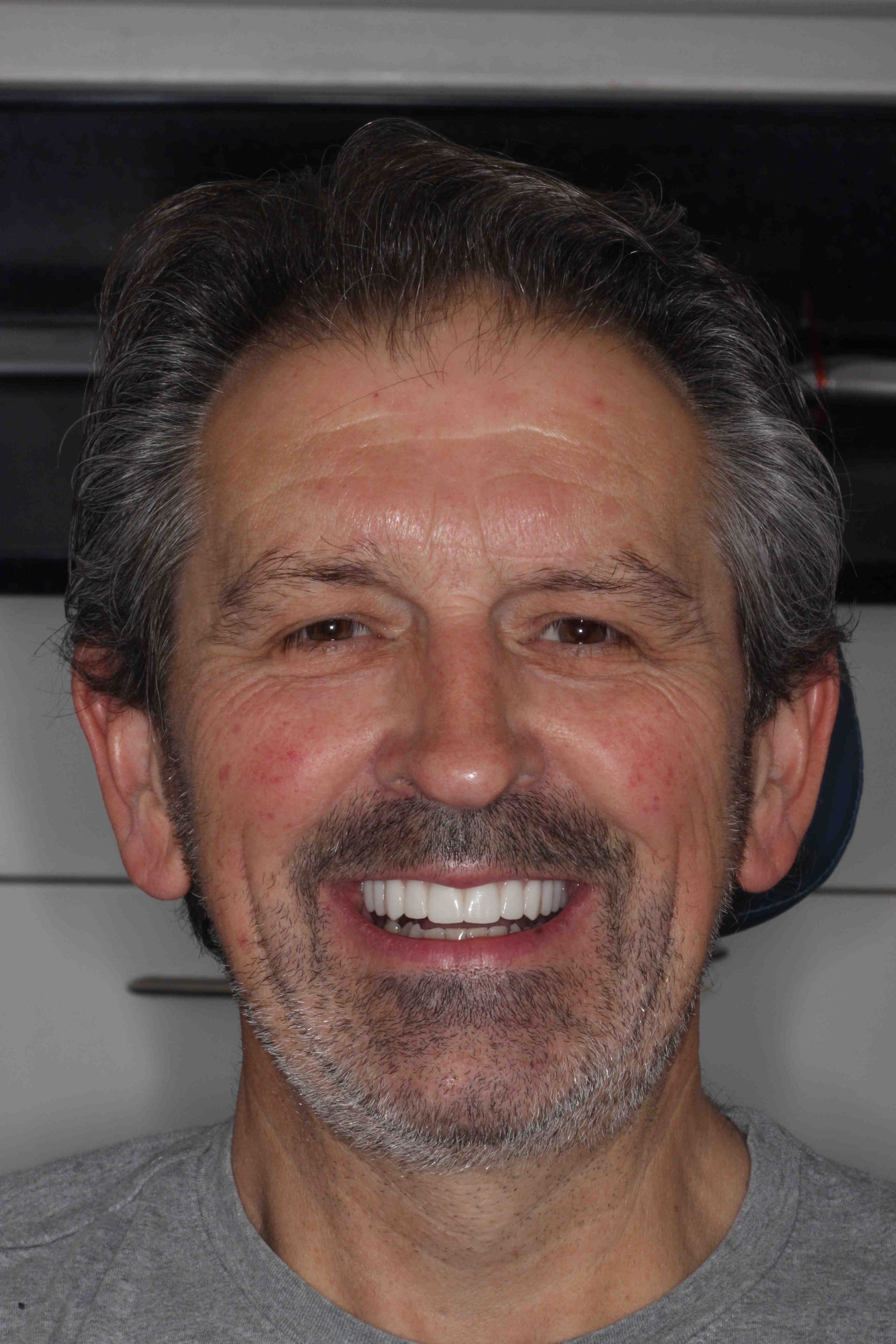
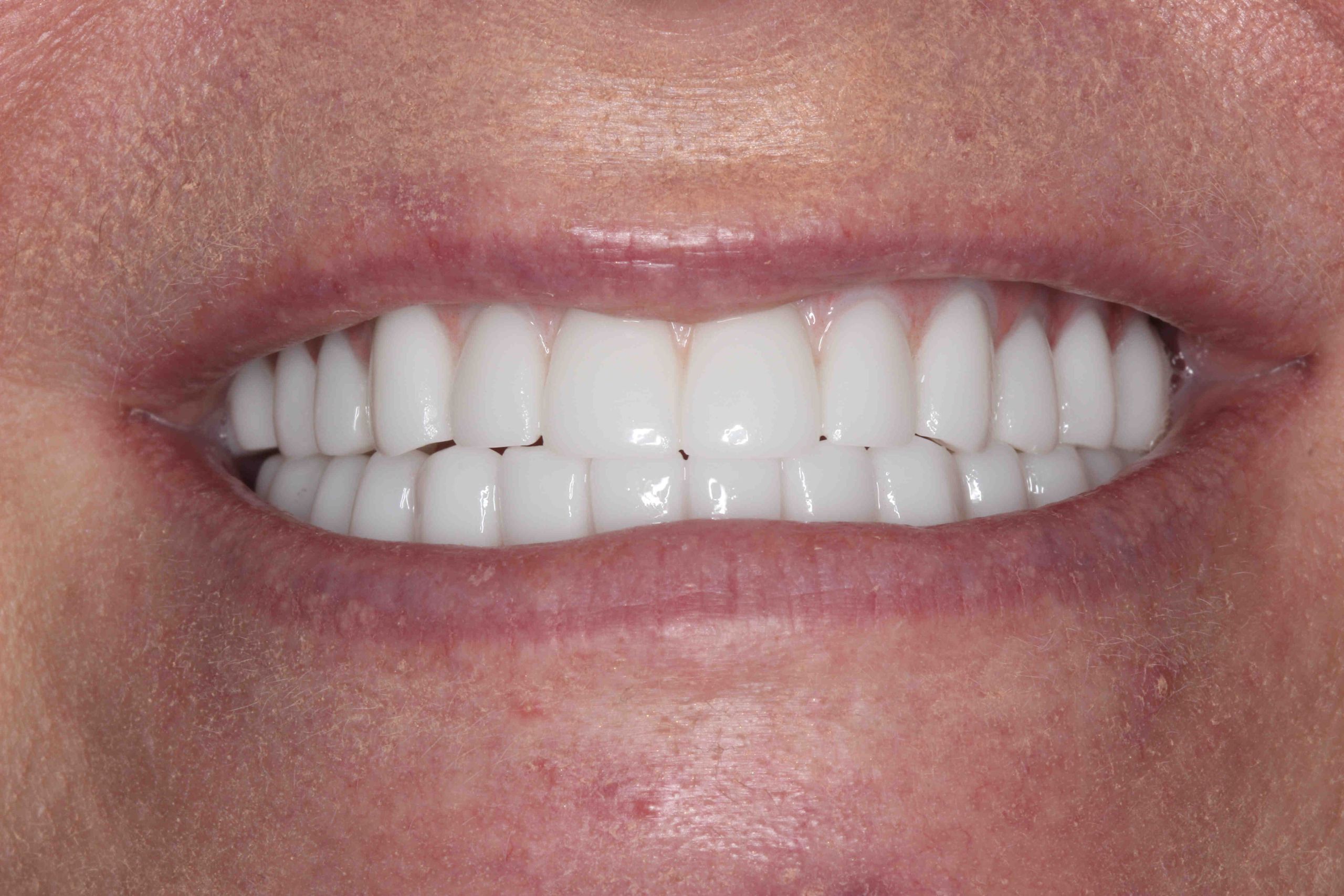
Patients travelling from across Glasgow tell us these small routines make a real difference. See how we help people across Glasgow in our patient results.



A break rarely mends by itself, so seeing a dentist early usually keeps things simple. Left for a long while, a broken tooth can slowly cause a bit more bother, such as:
- A rough or sharp edge that catches your tongue or cheek
- More sensitivity to hot or cold as the inner layer becomes exposed
- A greater chance of decay or infection reaching the softer centre
- A bigger, and often costlier, repair further down the line
Teeth cannot regrow lost enamel, so a broken tooth stays that way until a dentist restores it. The good news is that the fix is usually quick and comfortable. Booking sooner allows your dentist to assess the damage and recommend appropriate treatment before the problem worsens.
A chipped tooth is far safer with a dentist than with a home kit or glue. Your dentist can smooth a rough edge or bond it, often in a single visit. If it feels sharp in the meantime, a little dental wax pressed over the edge can help until you are seen.
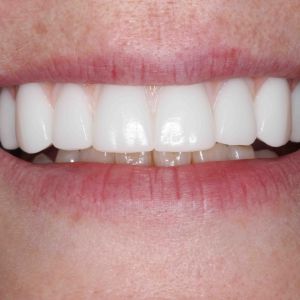
Follow us on Instagram for before and after stories. Whether it starts with a chipped
or broken tooth or a full change, we are all about replacing teeth and changing lives.
About the medical reviewer
This content was reviewed by Dr Philip Byrne, BDS, DipImpDent, Principal Dentist and Full Arch Implant Dentist at Erskine Dental Care, Erskine, Scotland.
Dr Philip is a GDC-Registered Dentist (No. 80751) who has been placing dental implants since 2007 and limits his practice exclusively to implant dentistry. He holds a Bachelor of Dental Surgery from the University of Glasgow (2002) and a Postgraduate Diploma in Implant Dentistry from Newcastle University (2018). Dr Byrne is an Associate Fellow of the ADI, reflecting his specialist focus in implant and full-arch implant dentistry.
Last reviewed: September 2026
What our Dental Implant patients say about us.
Don’t just take our word for it – hear from our patients who have received Dental Implants at Erskine Dental Care.
John Smith
Glasgow

The change in confidence since my Invisalign treatment has changed my life forever!
Edith Kowalski
Erskine
The team at Erskine Dental Care were absolutley amazing from start to finish, couldnt be happier with my smile!
Patrick Ewing
Erskine
I can now smile with confidence since receiving treatment from Erskine Dental Care.
