

Root Fracture
Treatment – Glasgow
A root fracture can cause pain, sensitivity, swelling, infection or recurring problems, particularly in a tooth that has previously had root canal treatment.
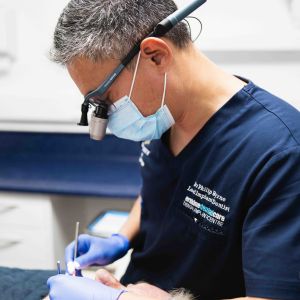
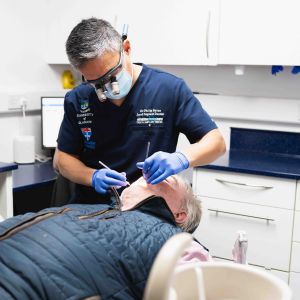
If you’re looking for root fracture treatment around Glasgow or the surrounding areas, our experienced team at Erskine Dental Care can assess the tooth to determine the type, location and extent of the fracture.
Disclaimer: The information on this page is for general guidance and does not replace an examination or personalised advice from a dental professional. Treatment options will depend on your individual circumstances and the condition of your teeth and gums.
Book a consultation to find out whether we can save your natural tooth.
What is a root fracture?
A root fracture is a break or crack involving the root of a tooth. It can affect front or back teeth and may be associated with trauma, previous dental treatment or stresses affecting the tooth.
The type, position and extent of the fracture can affect symptoms, prognosis and treatment. Some fractures can be managed without removing the whole tooth, while others may make the tooth difficult or impossible to restore predictably.
Types of tooth fractures |
|
|---|---|
| Type of fracture | What it means |
| Crown fracture | A break affecting the visible part of the tooth above the gum. |
| Crown-root fracture | A fracture that extends from the crown towards or below the gum line and may involve the root. |
| Horizontal root fracture | A fracture running across the root. These fractures can sometimes be managed without removing the whole tooth, depending on their position and other clinical findings. |
| Vertical root fracture | A fracture running lengthways along the root. These can be difficult to diagnose and may cause infection or localised bone loss around the affected area. |
A vertical root fracture is not the same as a chipped or cracked crown. It is also important to distinguish a root fracture from other causes of pain or infection, particularly in a tooth that has previously had root canal treatment.
Can a fractured tooth be saved?
Sometimes. Whether a natural tooth can be saved depends on the type, location and extent of the fracture, as well as the condition of the tooth, pulp and surrounding tissues.
Treatment may include:
- Monitoring and review
- Repositioning and stabilisation following certain traumatic root fractures
- Removal of the affected root in selected cases
- Root canal therapy where the pulp is infected or damaged
- Extraction where the tooth cannot be predictably restored

Where possible, preserving a natural tooth can help maintain function and appearance. However, attempting to retain a tooth with a poor prognosis may result in further infection, bone loss or repeated dental procedures.
Careful diagnosis and treatment planning help determine the most appropriate option for the tooth’s long-term health.
Root fracture symptoms
Symptoms vary, and some fractures cause few obvious signs. Possible symptoms include:
- Pain when biting or chewing
- Sensitivity or toothache
- Swelling around the tooth
- Tenderness or gum inflammation
- Recurring infection
- Increased tooth mobility
- Small swelling or drainage point on the gum
- Localised bone loss
A vertical root fracture can sometimes remain unnoticed until infection develops around the tooth.
If you have severe toothache, swelling or persistent symptoms, arrange a dental appointment rather than waiting for further damage.
Diagnosing a root fracture
Root fractures can be difficult to diagnose because their symptoms can resemble other dental problems, including decay, gum disease or infection following root canal treatment.
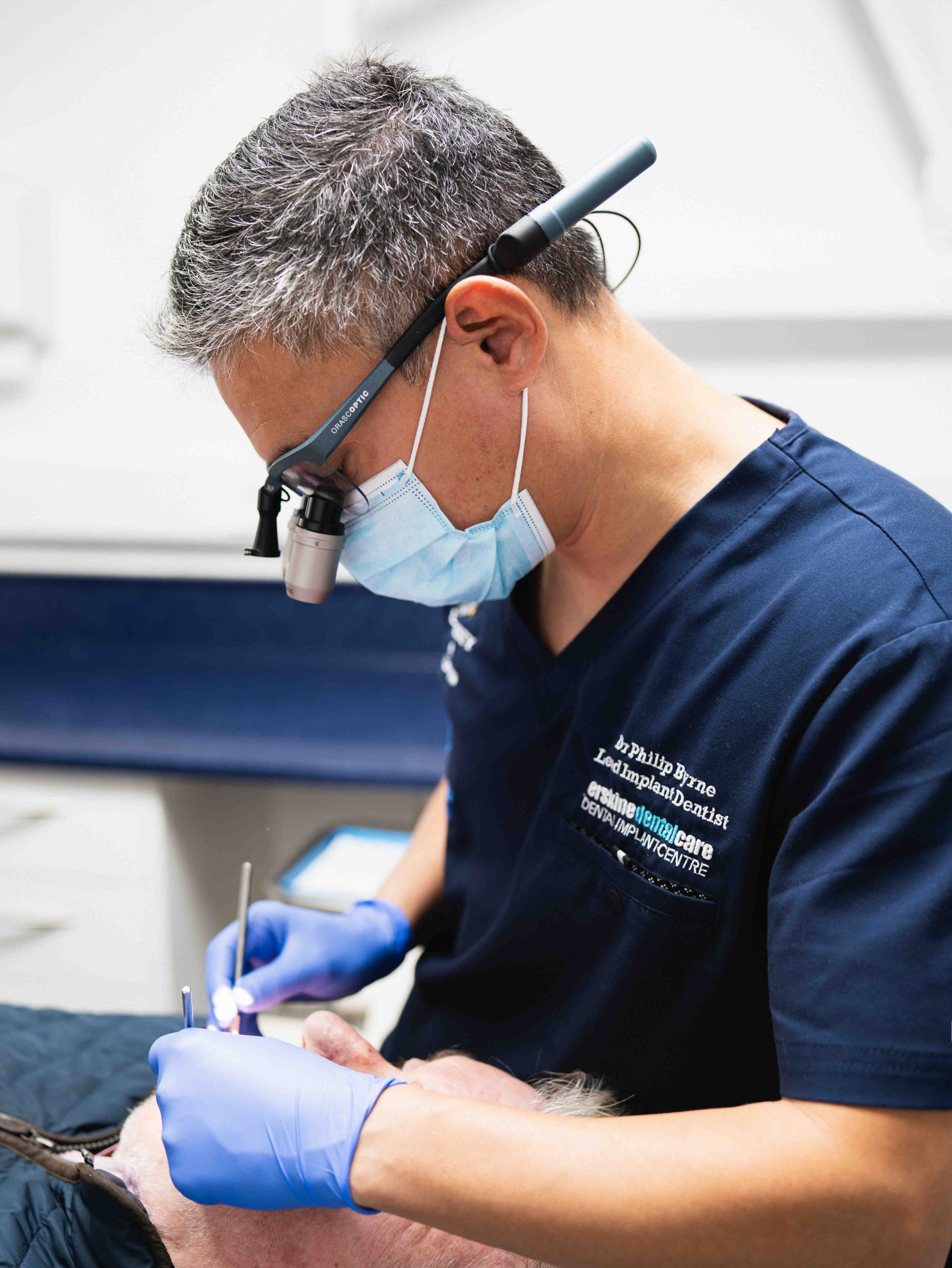
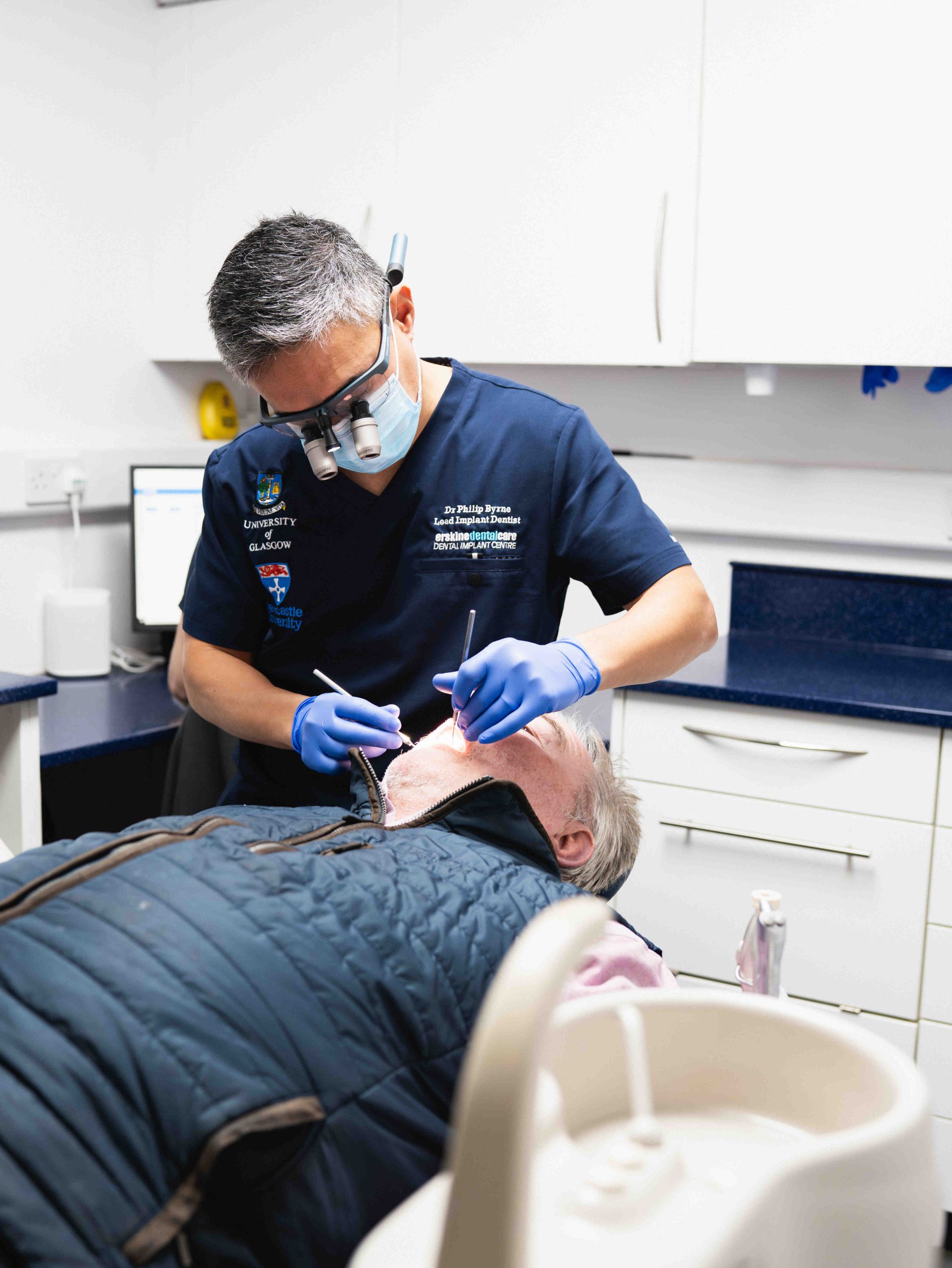
Our experienced team will review your symptoms and examine the tooth and surrounding tissues using assessments suited to your case.
| Assessment | What it helps identify |
| Dental examination | Signs of fracture, infection, mobility or damage |
| Bite and sensitivity tests | How the tooth responds to pressure or temperature |
| Periodontal probing | Localised changes around the tooth and gum |
| X-rays | Bone changes, infection and other dental problems |
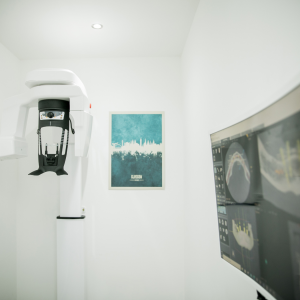
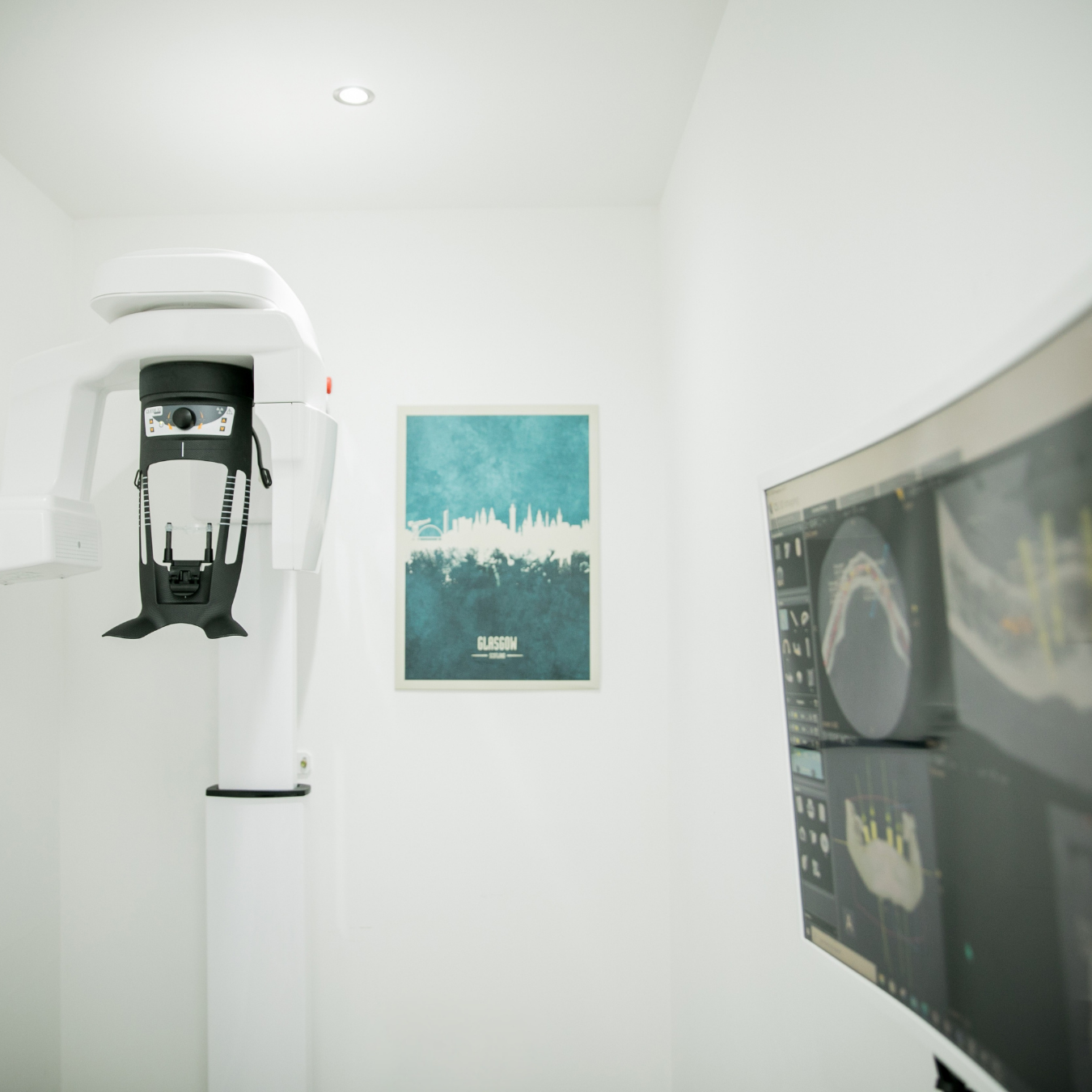
| CBCT scan | More detailed 3D information when clinically appropriate |
A root fracture is not always visible on a conventional X-ray. CBCT can provide additional information but cannot reliably identify every vertical root fracture.
Your symptoms, clinical examination and imaging are considered together to establish the likely cause and determine the most appropriate treatment.
Root fracture treatment for anxious patients
If you experience dental anxiety, tell us when arranging your appointment. We can explain the process beforehand and discuss how we can support you.
Depending on your needs and the procedure involved, local anaesthetic and sedation options may be available.
You can ask questions, request breaks and discuss your concerns throughout your care. We aim to help you feel informed and supported before deciding on treatment.

Can a root fracture happen in a root canal treated tooth?
Yes. A root fracture can occur in a tooth that has previously had root canal treatment. However, pain, infection or other symptoms after root canal treatment do not automatically mean the tooth has fractured.
Other possible causes can include persistent or recurrent infection, further decay or problems with the restoration.
What happens if a fractured root cannot be saved?
If the tooth cannot be predictably restored, we may recommend extraction to prevent further infection or damage.
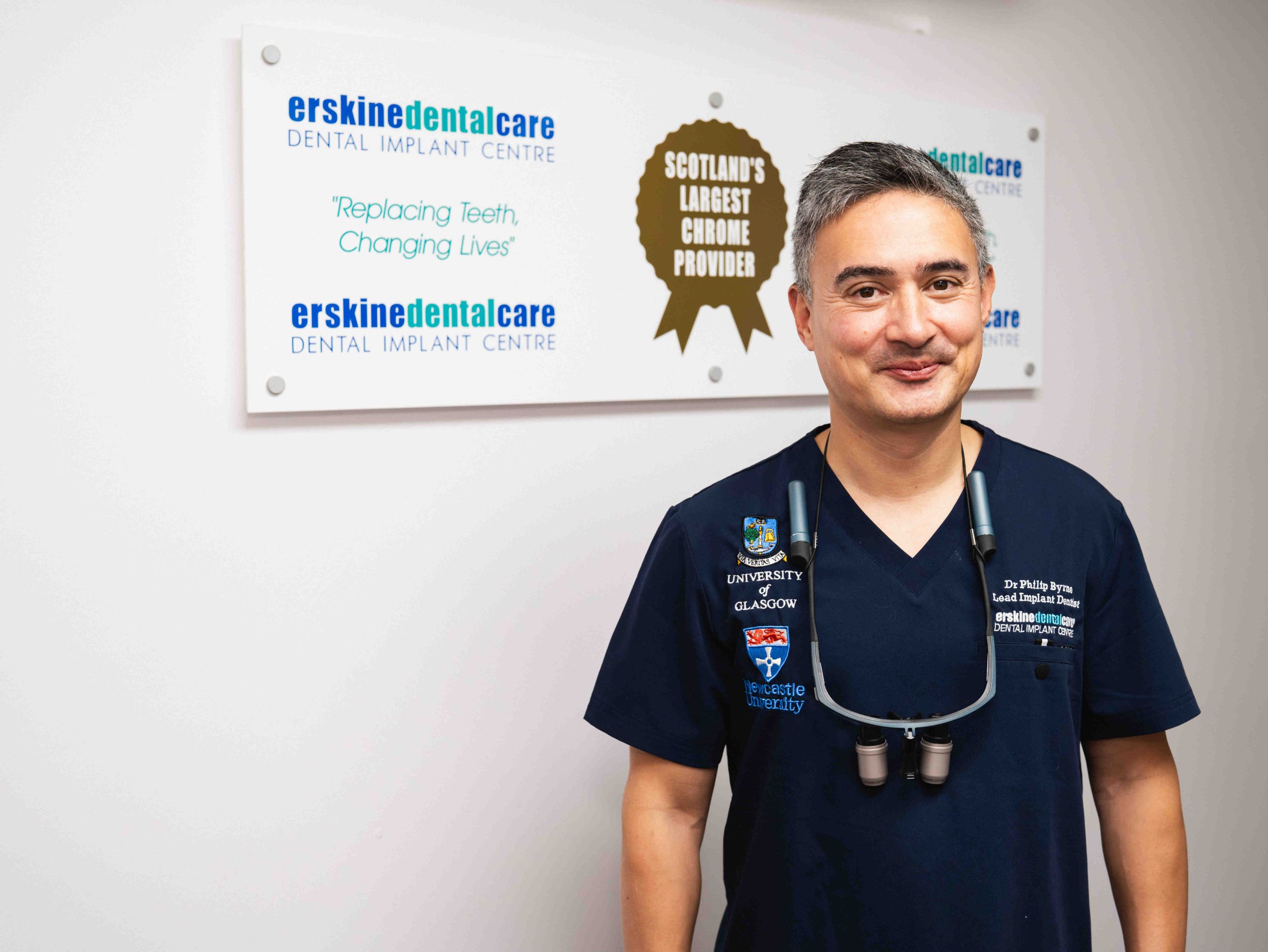
We will explain why extraction is recommended and discuss options for replacing missing teeth, including dental implants or bridges where appropriate. Our team is led by Dr Philip Byrne, who has over 24 years of experience and specialised training in implant dentistry.
How much does root fracture treatment cost in Glasgow?
There is no single cost for dental root fracture treatment. Your options and costs depend on the type and location of the fracture and whether the tooth can be saved.
Your dentist will explain your treatment plan and costs before treatment begins.
Finance options & dental plans
Eligible treatment over £1,500 can be spread over 12 months with 0% finance, with longer terms of up to 60 months also available. Eligibility and approval apply.*
Dental care plans are separate from finance and help spread the cost of routine preventive care, with discounts available on eligible private treatment.
Contact us to discuss restoring your natural smile with personalised dental
plans at 0141 812 8420 or chat to Teigan on our website.





Sometimes. It depends on the type, position and extent of the fracture and the condition of the tooth and surrounding tissues. Your dentist will assess whether treatment to preserve the tooth is predictable.
Yes, deep decay can weaken the remaining tooth structure and may allow bacteria to reach the pulp. If the pulp becomes infected or irreversibly inflamed, you may need root canal treatment.
However, deep decay and root fracture are different problems, so your dentist will assess the tooth carefully to establish the cause of your symptoms.
Good oral hygiene and regular dental appointments can help prevent and identify decay and other problems before they worsen.
No. Treatment depends on the type, location and extent of the fracture, as well as the condition of the tooth and surrounding tissues.
Some horizontal root fractures, particularly after trauma, can be managed with repositioning, stabilisation and monitoring. Vertical root fractures often have a poor prognosis, particularly when the tooth cannot be predictably restored.
In selected multi-rooted teeth, treatment may sometimes focus on the affected root while preserving the natural tooth. In other cases, extraction may be necessary.
The priority is to determine whether there is a predictable way to save the tooth, rather than automatically recommending extraction.
Root canal treatment is carried out under local anaesthetic to numb the tooth and surrounding area. Some tenderness can occur afterwards, but your dentist can advise you about appropriate pain relief.
If you have dental anxiety, tell us before your appointment so we can discuss ways to support you.
Treatment time varies depending on the type of tooth root fracture and the treatment required. Some procedures may be completed in one or two visits, while more complex cases may require additional appointments or staged treatment.
About the medical reviewer
This content was reviewed by Dr Philip Byrne, BDS, DipImpDent, Principal Dentist and Full Arch Implant Dentist at Erskine Dental Care, Erskine, Scotland.
Dr Philip is a GDC-Registered Dentist (No. 80751) who has placed thousands of dental implants since 2007 and now limits his practice to implant dentistry. He holds a Bachelor of Dental Surgery from the University of Glasgow (2002) and a Postgraduate Diploma in Implant Dentistry from Newcastle University (2018). Dr Byrne is an Associate Fellow of the Association of Dental Implantology (ADI), reflecting his specialist focus in implant and full-arch implant dentistry.
* Operation Overlord Limited trading as Erskine Dental Care. Authorised and regulated by the Financial Conduct Authority (FRN 980395). Operation Overlord Limited is a credit broker, not a lender. We will introduce you to one suitable lender based on your choice of loan. Finance is subject to status and affordability. Terms and conditions apply.
What our Dental Implant patients say about us.
Don’t just take our word for it – hear from our patients who have received Dental Implants at Erskine Dental Care.
John Smith
Glasgow

The change in confidence since my Invisalign treatment has changed my life forever!
Edith Kowalski
Erskine
The team at Erskine Dental Care were absolutley amazing from start to finish, couldnt be happier with my smile!
Patrick Ewing
Erskine
I can now smile with confidence since receiving treatment from Erskine Dental Care.
