

Straumann Dental Implants
Important: The information on this page is for general guidance only and is not a substitute for professional dental advice. Suitability for dental implants, including the Neodent implant systems used at Erskine Dental Care, varies from person to person. Only a full consultation and examination with our implant team can confirm the right treatment plan for you. If you have concerns about your dental or general health, please get in touch with our team.
Research into modern implant systems continues to grow. A 2024 meta-analysis in Clinical Oral Investigations reported implant survival rates above 96% even after twenty years in the mouth. At Erskine Dental Care, we use Neodent implant systems, part of the globally recognised Straumann Group. Straumann products are used by dental professionals in more than 100 countries.
If you are researching Straumann dental implants ahead of your consultation, here is what the dental implant procedure involves, from planning through to your finished smile.
Understanding the Straumann Group and your Neodent implant
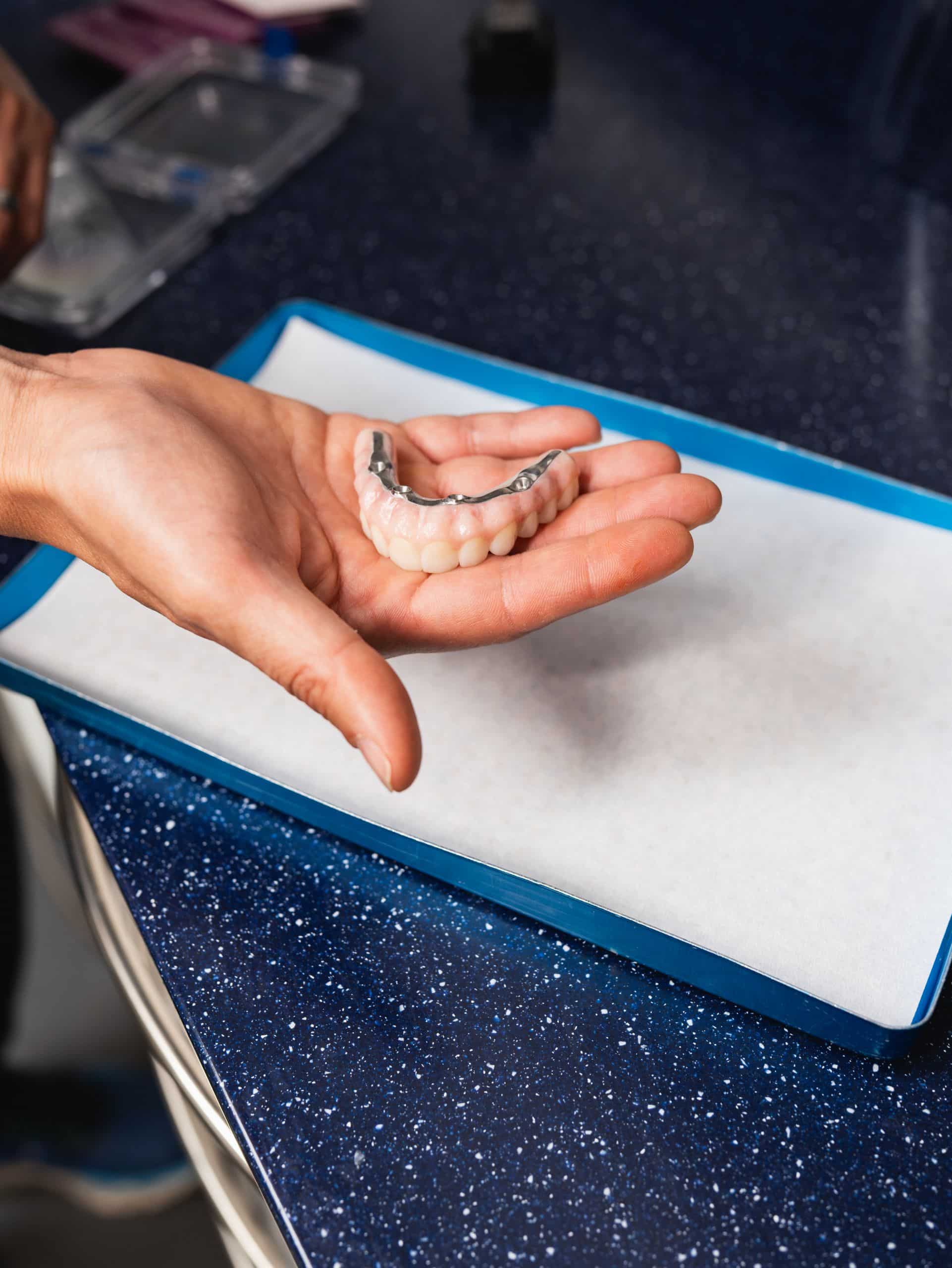
Neodent Dental Implant Systems are part of the Straumann Group, one of the world’s leading manufacturers of dental implant systems. Since joining the Straumann Group in 2015, Neodent has benefited from the group’s research, manufacturing standards and quality control while offering implant solutions for a wide range of clinical needs.
Within the Straumann Group, the Neodent range is built from titanium, a material valued for its strength, biocompatibility and ability to bond with living bone. Precision engineering at every stage is a hallmark of modern dental implantology. It helps each implant integrate securely for a comfortable, natural look with genuine aesthetics. Your implant dentist will recommend the most appropriate implant design based on factors such as your jawbone, bite and treatment goals rather than a one-size-fits-all approach.
What happens during Straumann dental implants treatment
Your treatment follows a planned path, from your first assessment through to full healing and long-term stability in your finished result.
Consultation and planning in implant dentistry
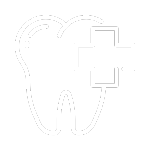
Before any treatment begins, your implant team carries out a full assessment, including digital scans and X-rays, to check whether you are a suitable candidate and to plan the exact position of each implant. This is where experienced clinicians answer your questions about quality, materials, expected outcomes and alternative treatment options. We draw on clinical studies rather than guesswork.
Placement and healing

Your Neodent implant, part of the Straumann Group, is placed under local anaesthetic, so you should feel pressure rather than pain during the procedure. Most patients manage any discomfort afterwards with standard over-the-counter pain relief for a few days, if required. Once the implant is in place, the surrounding jawbone gradually fuses around it in a process called osseointegration.
This typically takes three to six months, and healing in the upper jaw usually takes a little longer than in the lower jaw because the bone there tends to be less dense. Regular follow-up visits during this period allow your clinician to confirm that everything is progressing well before your final crown or bridge is fitted.
Bone grafting and getting your jawbone ready
Many patients with missing teeth have enough bone to support an implant straight away and can proceed directly to placement. Where teeth have been missing for some time or gum disease has caused bone loss, bone grafting adds material to the jaw to rebuild the volume and density an implant needs for long-term success. Your clinician will assess this using scans of your jawbone during your consultation and will only recommend grafting where clinical assessment indicates it is likely to improve the long-term stability of your implant.
If you are missing all or most of your teeth, our All-on-4 Teeth in a Day treatment uses the Neodent implant systems, part of the Straumann Group, to support a fixed full-arch restoration.
Frequently asked questions
Before your consultation, here are answers to some of the questions we hear most often about Straumann dental implants.
Erskine Dental Care selected the Neodent system because it meets the same Straumann Group manufacturing and quality standards used across the group’s implant brands. It also suits a wide range of budgets and clinical needs, from single teeth to full-arch restorations. Your implant team can explain how this fits your individual treatment plan at your consultation.
Neodent has been part of the Straumann Group since 2015, so it shares the same manufacturing standards, research and quality control as the wider group. The two are separate implant ranges rather than identical products, each designed for slightly different clinical needs and budgets. At your consultation, your implant team will explain exactly which system suits your case, so you always know precisely what is being placed.
Treatment time depends on your individual case. A single implant without grafting can often be completed from consultation to final crown within three to six months. If grafting is needed prior to placing the implants, allow several more months for the new bone to mature before the implant is placed. Your implant team will give you a personalised timeline at your consultation once your scans and assessment are complete, rather than a generic estimate that may not fit your situation.
With good care, implants are designed to be a long-term part of your smile, and the research reflects this. This is consistent with the twenty-year survival data from the 2024 Clinical Oral Investigations meta-analysis mentioned earlier on this page.
Individual results vary depending on your oral health, habits such as smoking, and how closely you follow your aftercare advice. Your implant team will discuss your personal outlook for long-term success at your consultation.
Yes, in many cases you can. Implant-supported restorations can provide greater stability than conventional dentures, although suitability depends on factors such as your jawbone, oral health and medical history. Your implant team will assess these during your consultation before recommending the most appropriate option.
Daily care is much the same as looking after your natural teeth.
- Brush twice a day and clean between the implant and the adjacent teeth beside it.
- Attend regular check-ups so your dentist can monitor the implant and identify any early signs of irritation. You also need to see a dental hygienist 4 times a year.
- Avoid smoking, as smoking is linked to a higher risk of implant complications.
Avoiding tobacco also supports long-term success, since smoking is linked to a higher risk of complications. Your implant team will give you specific guidance suited to your restoration at each follow-up visit.
Follow us on social media to see real patient results and testimonials from people who have already started their implant journey with Neodent.
What our Implant patients say about us.
Don’t just take our word for it – hear from our patients who have received Implants at Erskine Dental Care.
John Smith
Glasgow

The change in confidence since my Invisalign treatment has changed my life forever!
Edith Kowalski
Erskine
The team at Erskine Dental Care were absolutley amazing from start to finish, couldnt be happier with my smile!
Patrick Ewing
Erskine
I can now smile with confidence since receiving treatment from Erskine Dental Care.
About the medical reviewer
This content was reviewed by Dr Philip Byrne, BDS, DipImpDent, Principal Dentist and Full Arch Implant Dentist at Erskine Dental Care, Erskine, Scotland.
Dr Philip is a GDC-Registered Dentist (No. 80751) who has been placing dental implants since 2007 and limits his practice exclusively to implant dentistry. He holds a Bachelor of Dental Surgery from the University of Glasgow (2002) and a Postgraduate Diploma in Implant Dentistry from Newcastle University (2018). Dr Byrne is an Associate Fellow of the Association of Dental Implantology (ADI), reflecting his specialist focus in implant and full-arch implant dentistry.
Last reviewed: July 2026